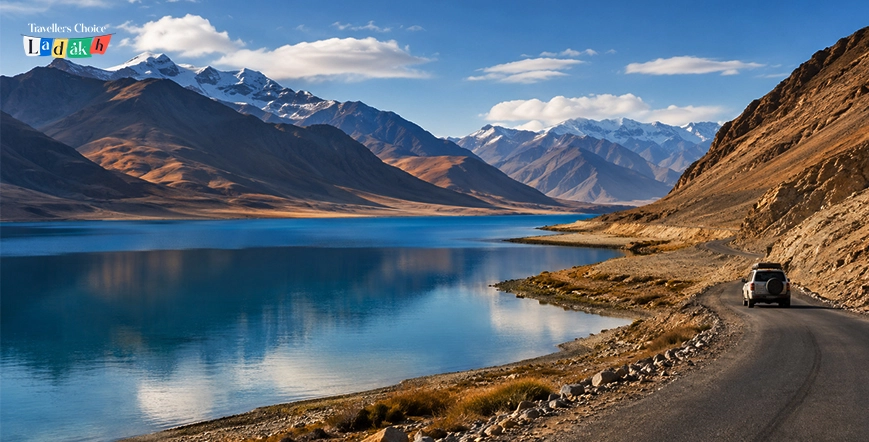
Yaya Tso Lake to Nyoma: Discover the Quiet Side of Ladakh
Tired of fighting for photo space at Pangong Lake or waiting in bumper-to-bumper SUV queues in Nubra Valley? If you want true high-desert solitude, point your wheels east toward the remote Changthang plateau.
Connecting the serene, mirror-like waters of Yaya Tso Lake to the peaceful frontier outpost of Nyoma offers a rare glimpse into raw Trans-Himalayan wilderness. Located at an astonishing 4,820 meters above sea level, this circuit swaps selfie crowds and souvenir stalls for black-necked cranes, vast rolling grasslands, and endless indigo horizons.
Here is your comprehensive guide to leaving the tourist trail and exploring the quietest corner of eastern Ladakh:
1. What Makes Yaya Tso Lake So Special?
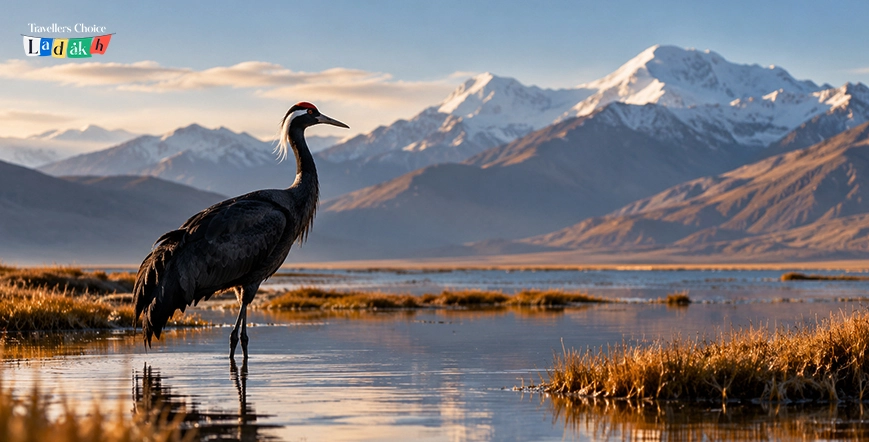
Nestled high in the windswept Changthang region, Yaya Tso Lake is often celebrated as a birdwatcher’s paradise and a sanctuary of stillness.
The lake was given a historic status in 2023 with its identification as the first Biodiversity Heritage Site (BHS) in the region by the Govt of Ladakh under the Biological Diversity Act. This pristine wetland lies above the main tourist trails and is an important nesting and breeding area for rare migratory birds. The shallow glacial waters are home to the endangered black-necked crane, bar-headed geese, Brahminy ducks, and Great Crested Grebe that can be spotted walking through the water.
Yaya Tso Lake is less busy than other lakes where motorbikes roar over the water, and it offers the same tranquility and the chance to listen to the mountain wind sweep over the tundra. It remains one of the most unobtrusive places in Ladakh for wildlife and photography lovers, as well as those who want to enjoy the true serenity of high-altitude travel
2. The Scenic Drive: From Mahe Bridge to Nyoma
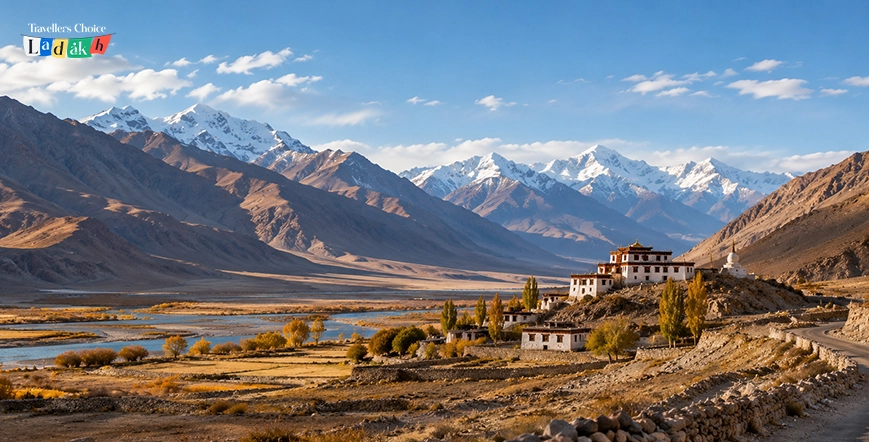
The trip to deep eastern Ladakh is an adventure in itself, passing through dramatic river canyons and open gravel plains.
A paved highway crosses Mahe Bridge over the roaring Indus River, then enters the high-plateau tracks. Driving southeast brings you to Nyoma, Ladakh, at 4180 meters, a quiet village along the Indus River.
Nyoma, a remote military staging post and trading post for nomads, is rapidly becoming the perfect base for travelers to the eastern Changthang. Nyoma offers no commercial incursions or overcrowded resorts, so you get front-row access to wide granite valleys, ancient gompas, and authentic Changpa nomadic culture.
If you are hunting for genuine Ladakh hidden gems, the stretch from Chumathang through Yaya Tso to Nyoma belongs at the top of your bucket list.
3. Why Changthang is the Future of Offbeat Travel
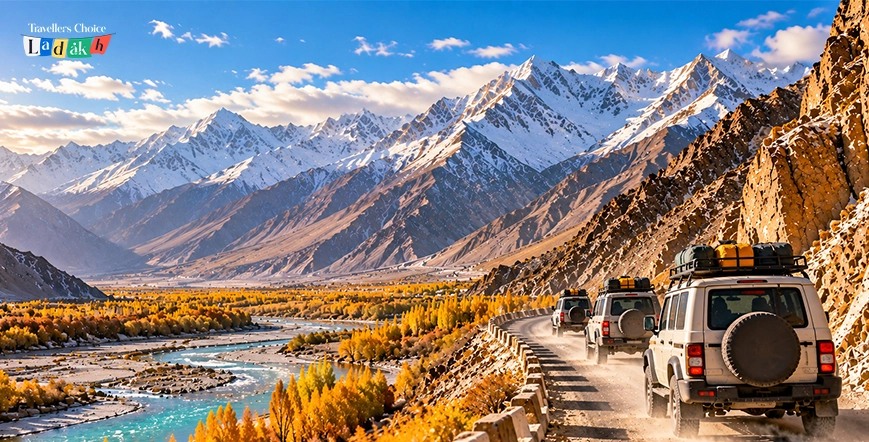
Most standard travel itineraries focus strictly on the classic circuit: Leh, Nubra Valley, and Pangong Tso. While those locations are visually striking, venturing into Changthang’s interior rewards you with something far rarer: total isolation and untouched nature.
Adding these rural routes to your list of Offbeat Places in Ladakh delivers unmatched advantages:
- Zero Traffic Congestion: Enjoy pristine lakes, high-altitude wetlands, and mountain passes without convoy traffic blocking your view.
- Astro-Photography Heaven: With virtually no light pollution and razor-thin mountain air, the night sky here shows the Milky Way with breathtaking clarity.
- Wild Fauna Sightings: Spot herds of wild Kiangs (Tibetan wild asses), Himalayan marmots, Tibetan gazelles, and golden eagles in their natural, undisturbed habitats.
It is a world away from heavily commercialized Ladakh Tourist Spots, offering an authentic connection to the high desert.
4. High-Altitude Stays and Food in Deep Changthang
Traveling through remote eastern valleys means trading luxury hotel amenities for genuine local hospitality.
Accommodations in Nyoma and surrounding settlements consist primarily of family-run homestays and eco-guesthouses built with passive solar design:
- Authentic Homestay Comfort: Expect thick wool bedding, solar-heated washing water, and warm communal dining rooms centered around traditional wood-burning stoves (Bukhari).
- Local Fuel for Cold Nights: To keep you warm against the sub-zero night winds, the homestay hosts serve piping-hot bowls of Skyu (traditional pasta stew), vegetable Thukpa, fresh barley bread (Khambir), and endless cups of Gur Gur Chai (salted butter tea).
Staying with local hosts puts your travel dollars directly into small village micro-economies, ensuring sustainable tourism development for mountain families.
5. Essential Logistics: Permits, Altitude & Fuel Prep
Exploring remote Changthang isn’t something you can do on the fly. Operating at 15,000 feet near sensitive border zones requires solid preparation:
- Inner Line Permits (ILP): These are border areas, and foreigners need an Inner Line Permit (Protected Area Permit) for Nyoma & Yaya Tso. Make sure the permit includes Changthang, Nyoma and Hanle.
- Acclimatization Rules: At 4,820 meters, this alpine wetland is significantly higher than Leh (3,500m). Spend at least two full days acclimatizing in Leh before driving east. Pushing to these altitudes on Day 1 invites severe acute mountain sickness (AMS).
- Fuel and Supplies: Visit the Karu or Leh gas station and fill up before heading east. There are no commercial gas stations in deep Changthang, so please bring extra fuel with jerry cans.
- Cash and Connectivity: BSNL postpaid is usually the only mobile network with intermittent coverage. ATMs do not exist past Karu, so carry sufficient cash for homestays and meals.
6. Exploring Remote Eastern Ladakh with TCL
The unpaved plateau tracks, gravel washes at high elevation, and ever-changing weather demand a seasoned 4×4 and a local with road-fighting expertise and knowledge of the high desert.
Traveler Choice Ladakh (TCL) specializes in trips to areas most tourists in eastern Changthang don’t visit. If you opt for our private cab rental service, our team will handle all local permit clearances, transport, and homestay arrangements, so you can explore in peace and comfort.
The Verdict
No vending machines, no noisy tourist crowds, and no traffic jams, just mirror-like high alpine water, wild, scarce animals, and limitless mountain skies.
Bring your camera, get your permits, dress accordingly, and enjoy the quiet, natural high desert.
The silent plateau is waiting.
Frequently Asked Questions
Yaya Tso Lake is located in the Changthang area of eastern Ladakh at 4,820 meters (15,813 feet), close to the road between Mahe Bridge and Nyoma.
Yaya Tso was declared Ladakh’s first Biodiversity Heritage Site under the Biological Diversity Act because it serves as a critical nesting and breeding site for black-necked cranes, bar-headed geese, and Brahminy ducks.
Yes. Both Yaya Tso Lake and Nyoma lie in protected border zones of eastern Changthang. All domestic tourists need an approved Inner Line Permit (ILP), and foreign nationals require a Protected Area Permit (PAP).
The route to Nyoma is about 180km from Leh along the Indus River Highway, passing through Chumathang and Mahe Bridge. This drive is about 5 to 6 hours by car.
The best time to visit is between late May and October, when high mountain roads are open, migratory birds are flying, and the day temperatures are good for climbing to higher elevations.