Life at 15,000 Feet: The Fierce Reality of Ladakh’s Changpa Nomads
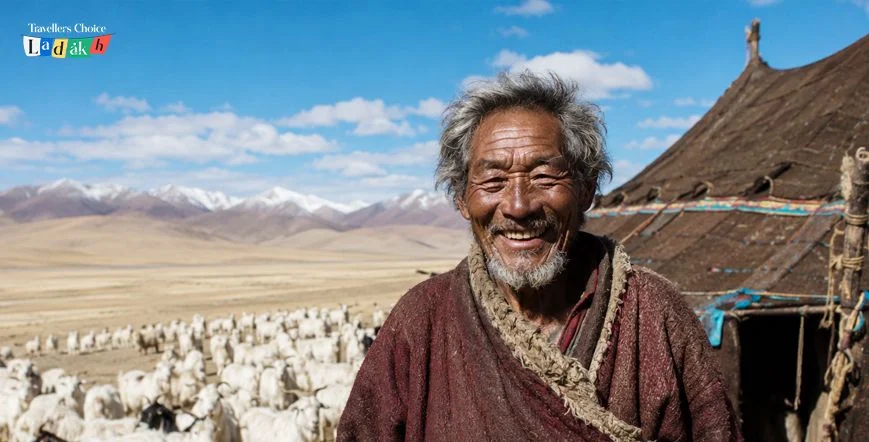
If you think your morning commute is tough, imagine waking up at 15,000 feet in a tent made of woven yak hair, with the thermometer hitting minus 30 degrees Celsius outside.
Welcome to a casual Tuesday for the Changpa tribe.
Living on the harsh, wind-swept expanse of the Changthang Plateau, these high-altitude pastoralists don’t just endure one of the most extreme environments on earth. They thrive in it. And they do it while preserving a centuries-old way of life that makes modern minimalism look like hoarding.
The Billion-Dollar Goat Herd
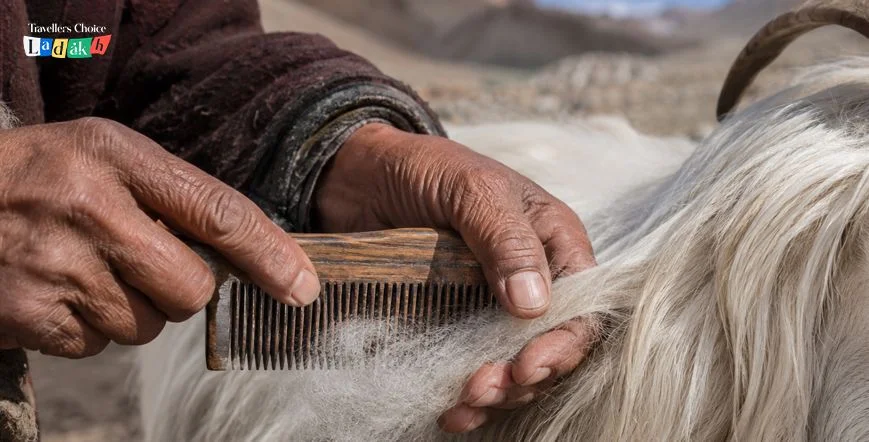
The Changpa nomads don’t measure their wealth in stock portfolios or real estate. They measure it in hooves. Specifically, the hooves of Capra hircus, better known as the source of ultra-luxurious pashmina wool.
These aren’t your average farm animals. To grow the incredibly soft, warm undercoat that is spun into expensive scarves, these pashmina goats need to endure brutal winters. The colder it gets, the finer their wool grows.
The Changpa community hand-combs out this precious fiber carefully in springtime. It’s a fine, sustainable loop that fuels the local economy and keeps global luxury fashion going round. The next time you’re feeling a little cold in your regular sweater, keep in mind that there’s a goat growing one a little closer to the Tibetan border than yours.
Home is Wherever the Herd Goes

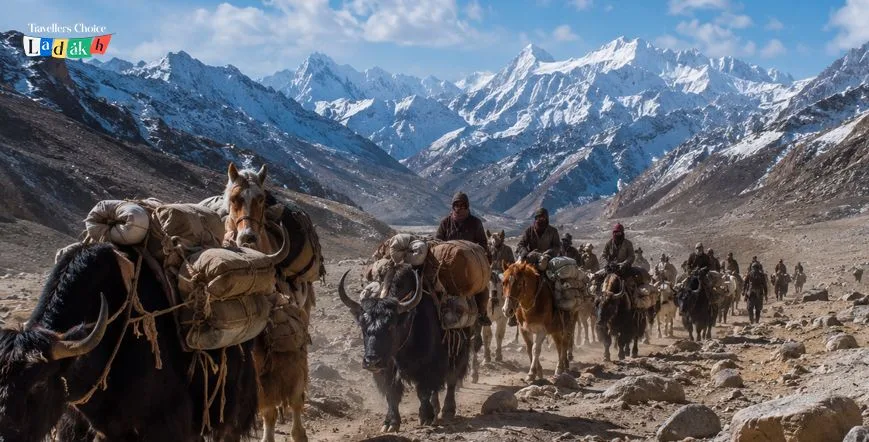
The rhythm of nomadic life in Ladakh is entirely dictated by grass and water. When the pastures dry up, the Changpa pack up their entire lives, tents, stoves, solar panels, and families onto the backs of yaks and horses, moving onward across the high-altitude desert.
Their traditional tents, called Rebo, are architectural masterpieces of survival. Woven from coarse yak hair, they keep the biting Himalayan winds out while allowing the smoke from internal cooking fires to escape.
Inside a Rebo, you’ll experience an incredibly pure slice of traditional Tibetan culture. From churning salty yak-butter tea to sharing local folklore, hospitality here is a survival mechanism. Out on the lonely plains of the Tibetan Plateau, looking out for one another isn’t a polite suggestion; it’s the law of the land.
How to Experience the Nomadic Trail (Without Freezing)
Witnessing this ancient lifestyle is easily one of the most transformative cultural experiences you can have, but it requires massive respect for both the people and the environment. You can’t just pitch a modern camping tent next to a Rebo and hope for the best. The high altitude alone can break an unprepared traveler.
To safely navigate these remote border terrains, proper physical prep is mandatory. Check out our deep-dive guide on acclimatization tips for Ladakh so you can get your body used to the thin air before heading deep into Changthang.
That is where we come in. At TravellerChoiceLadakh (TCL), we believe in supporting #VocalForLocal and honoring our true Ladakh heritage. We map out custom routes that let you witness this incredible way of life ethically, without disrupting the herders or their livestock. Whether you need a rugged, reliable 4×4 from our taxi rental fleet to handle the dirt tracks or a fully planned tour package, our local guides ensure you safely see the authentic side of the mountains.
The Changing Horizon
The high plateaus are slowly becoming modern. Nowadays, the ancient tents have been replaced with solar panels, and yak trails are traversed by a few motorcycle tracks. Most young Changpas are relocating to Leh for education and employment.
But at its heart, this indomitable community remains firmly connected to the land, the high mountain passes, and its flocks. A beautiful and fragile blend of the past, a reminder of what it means to be human.
Pack your warmest layers, leave your city expectations behind, and let’s explore the roof of the world.
Frequently Asked Questions
The Changpa live primarily on the Changthang Plateau, a high-altitude region that stretches across western Tibet into southeastern Ladakh, India. Most of their grazing lands sit well above 14,000 feet.
True Pashmina wool is hand-combed from specific mountain goats raised by the Changpa under extreme sub-zero conditions. The scarcity of the fiber, combined with the intense labor required to harvest and weave it, makes it highly valuable worldwide.
Yes, but you need an Inner Line Permit (ILP) because these areas are close to the international border. It is always best to visit with a responsible local operator who can introduce you respectfully without disrupting their daily herding routines.
Their diet heavily relies on their livestock, consisting mostly of barley flour (tsampa), yak meat, wild roots, cheese, and large quantities of traditional salty butter tea (gurgur cha) to keep warm.