Under a Billion Stars: Visiting Hanle Dark Sky Reserve in Ladakh
Most travelers visit Ladakh for its dramatic mountains, crystal-clear lakes, and winding roads. But hidden in the remote Changthang region is a destination that comes alive after sunset. Far away from city lights and crowded tourist spots, the Hanle Dark Sky Reserve offers something few places in the world can: a chance to witness the night sky in its purest form.
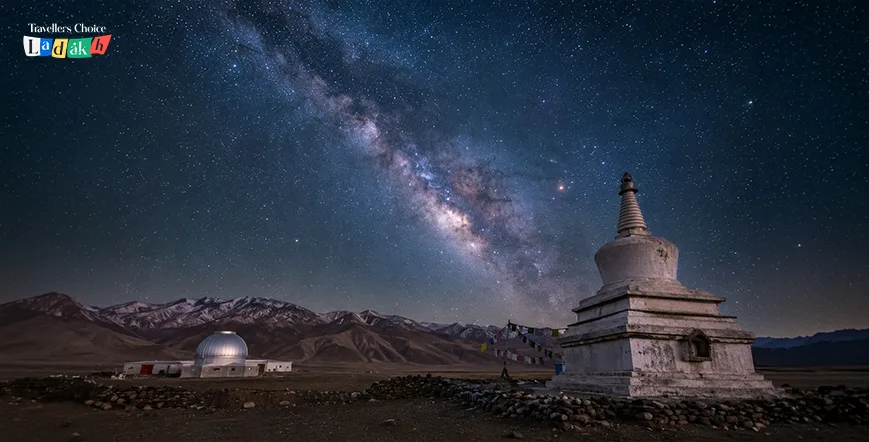
Imagine looking up and seeing the Milky Way stretch across the horizon, thousands of stars glittering overhead, and constellations usually invisible in urban areas. This is the magic of the Hanle Dark Sky Reserve, a destination that has transformed Ladakh into one of the world’s most exciting astro-tourism hotspots.
Whether you’re an astronomy enthusiast, photographer, or simply someone looking for a unique travel experience, Hanle promises a night you’ll never forget.
What Is the Hanle Dark Sky Reserve?
This Sky Reserve is India’s first dark sky reserve, created to protect the region’s exceptionally dark night skies from light pollution.
A dark sky reserve is one place where artificial light is managed to ensure a dark sky. These are the best areas for observing the stars, conducting astronomical research, and taking astrophotographs.
The reserve covers a large part of the Hanle region in eastern Ladakh and aims to promote sustainable tourism while protecting one of nature’s most incredible spectacles, the night sky.
As awareness about light pollution grows worldwide, destinations like Hanle are becoming increasingly important. They allow visitors to experience what the sky looked like before modern cities illuminated the landscape.
The reserve is now recognized as India’s first dark sky park and attracts visitors and astronomers from across the country.
Exploring Hanle Ladakh
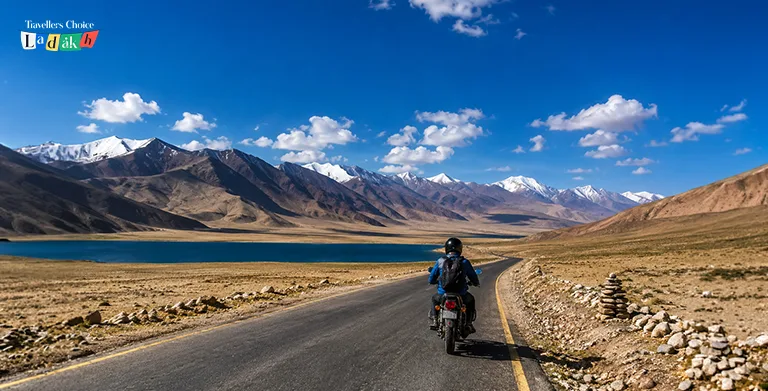
Nestled near the India-Tibet border, Hanle in Ladakh sits at an elevation of about 4,500 meters above sea level. It’s got those wide-open plains, rugged mountains, and breathtaking views that feel totally untouched. Unlike other tourist hotspots like Pangong Lake or Nubra Valley, Hanle stays mostly under the radar. That makes it awesome for travelers seeking peace.
In the heart of the reserve is Hanle Village Ladakh, a tiny settlement. The village pops against the big backdrop of the Himalayas, thanks to traditional homes, fluttering prayer flags, and a super old monastery. This centuries-old spot adds a fantastic charm to the wild surroundings.
Life here is simple and slow-paced. There are no busy markets or nightlife attractions. Instead, visitors come to disconnect from everyday distractions and reconnect with nature.
Why Is Hanle Stargazing So Special?
The region’s biggest attraction is undoubtedly Hanle stargazing.
Several factors make Hanle one of the best places in Asia to observe the night sky.
First, its high altitude places visitors above much of the atmospheric dust and pollution found in lower regions. Second, the area experiences extremely low levels of artificial light. Finally, the dry climate and clear weather provide excellent visibility throughout much of the year.
The result is an extraordinary celestial experience.
On clear nights, visitors can easily spot the Milky Way without any telescope. Depending on the season, you may also see meteor showers, planets, star clusters, and countless constellations spread across the sky.
For photographers, Hanle offers ideal conditions for capturing breathtaking images of the cosmos. Long-exposure shots reveal details that are impossible to see in cities affected by light pollution.
Even if you’ve never been interested in astronomy before, one night under Hanle’s skies is enough to change your perspective.
The Famous Hanle Observatory
One of the reasons Hanle Dark Sky Reserve Ladakh has become globally recognized is its connection to scientific research.
The region is home to the renowned Hanle Observatory, managed by the Indian Institute of Astrophysics. Perched at over 4,500 meters above sea level, the observatory in Hanle is one of the world’s highest. It was picked for its rare atmosphere and amazing visibility.
This site hosts top tech for exploring far-off stars and galaxies. Using these tools, researchers investigate various cosmic phenomena to learn more about our universe.
Though tours aren’t usually allowed, the observatory still puts Hanle on the map for top-notch sky watching.
How to Reach Hanle from Leh?
One of the most frequently asked questions is how to get from Leh to Hanle. Hanle is approximately 255 kilometers from Leh, and the road journey usually takes 7 to 9 hours.
The most common route is:
Leh → Upshi → Chumathang → Nyoma → Loma → Hanle
Riding the drive is a part of the adventure. The route leads through remote valleys, mountain passes, hot springs, and amazing high-altitude scenery.
Since Hanle is located near a sensitive border area, Indian travelers need an Inner Line Permit before visiting. It is advisable to arrange permits in Leh before starting the journey.
Due to the altitude, visitors should spend at least two days acclimatizing in Leh to reduce the risk of altitude sickness.
Best Time to Visit Hanle
The best time to hit the Hanle Dark Sky Reserve is from May to October.
Roads stay open, and the weather cooperates, making it great for exploring and stargazing.
Photogs tend to love September and October since the skies are typically clear and visibility is fantastic.
Wintertime looks totally different. Frosty temps and snow create magical views, yet treks can be tough in the harsh weather.
If your primary goal is Hanle stargazing, late summer and early autumn provide the best overall conditions.
More Than Just a Stargazing Destination
Although the stars are the main attraction, Hanle has much more to offer.
Visitors can explore Hanle Monastery, one of the oldest and most important monasteries in the province. Perched on a hilltop, it offers panoramic views of the surrounding valley.
Nature enthusiasts can also spot wildlife native to the Changthang region, including Tibetan wild asses, Himalayan foxes, marmots, and migratory birds.
The area’s unspoiled scenery makes it a photographer’s dream. You can snap pics of stunning mountains by day or gaze at starry skies by night; there’s always something inspiring around.
Still, the best bit about visiting Hanle is its stillness. With nonstop notifications and disturbances everywhere nowadays, Hanle lets you stop and take in nature’s beauty in peace.
Final Thoughts
The Hanle Dark Sky Reserve isn’t just a travel destination; it transforms the way you view the night sky.
India’s first dark sky reserve is stunning. From Hanle Village and the Ladakh region to the Hanle Observatory, every spot is amazing. The trip from Leh to Hanle is awesome, plus the clean route makes it even better.
If you’re planning a trip to Ladakh and want to experience something beyond the usual tourist circuit, Hanle deserves a place on your itinerary.
After all, there aren’t many places left where you can stand beneath a billion stars and truly appreciate the vastness of the universe.
FAQs
Q1. Why is Hanle called India’s first dark sky reserve?
The area is now a protected Sky Reserve, the first official dark-sky reserve in India.
Q2. What makes Hanle stargazing unique?
Hanle stargazing benefits from high altitude, minimal light pollution, dry weather, and exceptionally clear skies, creating ideal viewing conditions.
Q3. Can tourists visit the Hanle Observatory?
The Hanle Observatory primarily serves as a scientific research facility and is generally not open to the general public.
Q4. How many days should I spend in Hanle?
Most travelers spend one to two nights in Hanle, allowing enough time to enjoy the night sky and explore the surrounding region.
Q5. Is Hanle suitable for first-time visitors to Ladakh?
Yes, but visitors should acclimatize in Leh before traveling to Hanle because of the high altitude.
One thought on “Under a Billion Stars: Visiting Hanle Dark Sky Reserve in Ladakh”