Ladakh Tourism in 2026: New Trends & Off-Season Travel
Think the mountain travel season ends when August closes out? Think again.
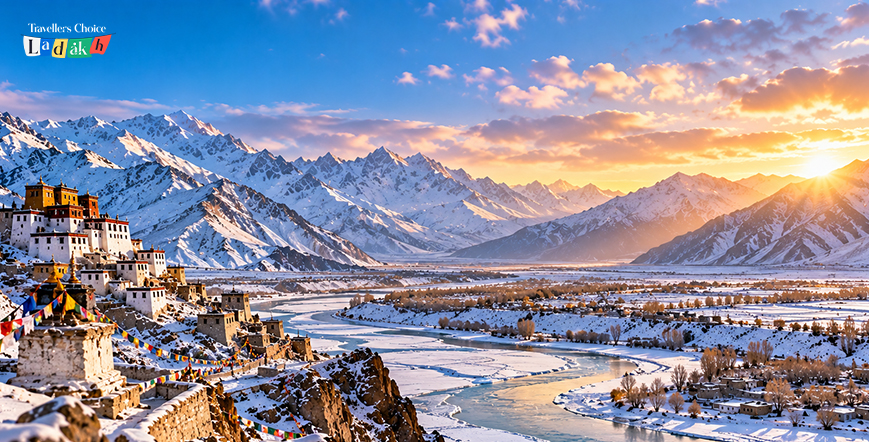
The Ladakh tourism landscape is shifting fast. The classic June-July rush is no longer the only game in town. Travelers are ditching overcrowded summer highways and choosing shoulder months like September and October for clearer skies, golden valleys, and zero traffic jams.
According to a recent Hindustan Times off-season travel report, tourist footfall jumped 60% in September. High-altitude Ladakh tourism is evolving faster than ever.
Here is what is driving the massive 2026 boom and what it means for your next trip:
1. The Rise of Off-Season and All-Weather Travel
For years, travelers believed that the only time to travel Trans-Himalaya was between June and August. Once again, the myth is debunked.
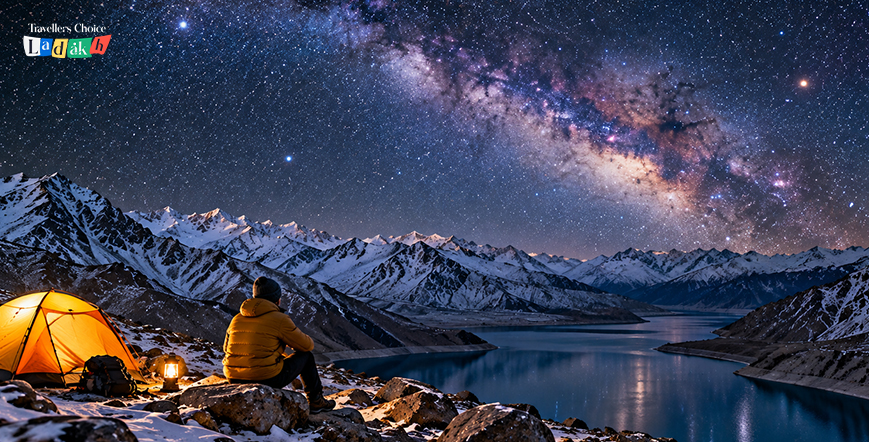
With Ladakh being a year-round tourist destination, the interest in the region is at a record high this autumn and winter. Travelers are finding late September and the first half of October ideal for stable weather, poplar colors, and great photography without the tourist crowds at Khardung La and Pangong Lake.
For peace, crisp high-desert air and open roads, the best time to travel is now, the off-season.
2. Top Places to Visit and Explore
While classic circuits remain iconic, travel patterns across the region are expanding:
- Zanskar Valley via the New Axis: Thanks to the Nimmu-Padum-Darcha highway, Zanskar is now accessible directly without multi-day detours through Kargil.
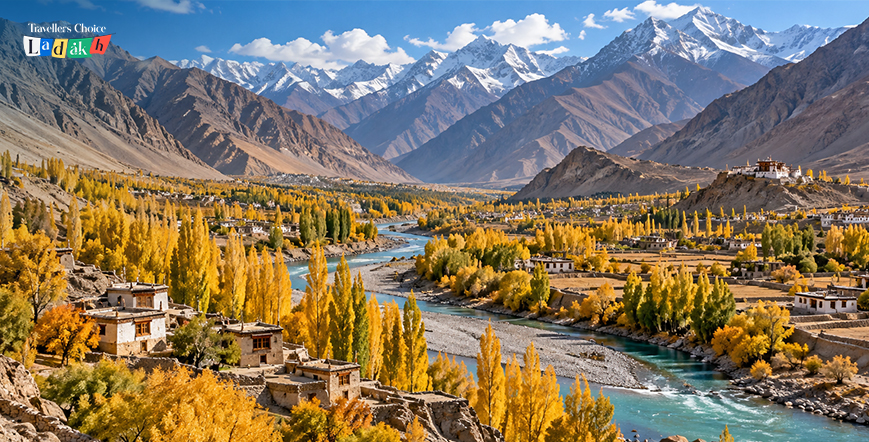
- Changthang & Hanle: Astro-tourism is booming, with travelers heading to Hanle, India’s Dark Sky Reserve, for night-sky photography.
- Turtuk & Border Villages: Rural border settlements are top Places to visit in Ladakh for travelers seeking authentic cultural homestays and ancient heritage.
3. Experiential Travel: What People Are Doing
Modern Ladakh tourism is moving away from rushed 3-day checklists. Travelers in 2026 want immersive experiences:
- Stargazing & Astro-Photography: Spending quiet nights under pollution-free high-altitude skies.
- Village Homestays & Culture: Eating home-cooked butter tea and skyu with local hosts.
- High-Altitude Adventure: Monastic festival trips, Zanskar River rafting, and deep-winter snow leopard tracking.
Finding meaningful Things to do in Ladakh has shifted from basic photo ops to real community connection.
4. Finding the Best Season to Visit
When is the ideal time to hit the high desert? It depends on your travel style:
- Peak Summer: June to August (Best for open mountain passes, blooming green valleys, and classic bike trips, but with the biggest crowds).
- September to October (Autumn Gold): brilliant golden poplars, sunny skies, and 60% more of the smart ones avoiding summer footfall queues.
- November-March (Extreme Winter): Frozen river walks, ice climbing, and snow leopard expeditions for hardcore cold weather enthusiasts.
Knowing the best season to visit Ladakh lets you tailor your itinerary around crowd levels and weather preferences.
5. Booking Smart Transport and Itineraries
No spontaneous trips at 11,000 feet without prepared transport. Demand is always high, so securing reliable logistics in advance is essential.
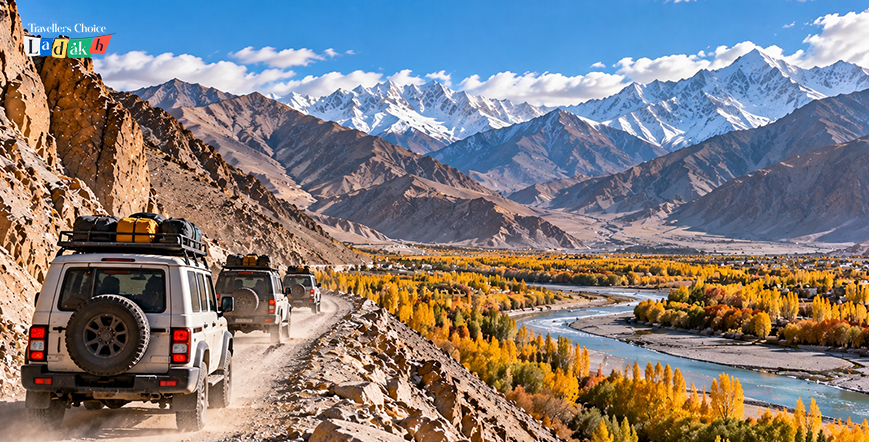
You may need a trustworthy Ladakh hire service for rough terrain or a well-designed tour plan, but it all relies on local professionals. Book high-clearance vehicles with private cab hire at TravellerChoiceLadakh (TCL), or choose tailored Ladakh travel packages for each season.
The Travel Verdict
The Trans-Himalayas is no longer a 2-month summer holiday. It’s golden autumns, dark-sky reserves, and new mountain highways, and you can do it on your own year-round. Start packing and begin your journey.
Frequently Asked Questions
Travelers increasingly choose September, October, and the winter months to avoid summer crowds, enjoy golden autumn landscapes, take in clear night skies, and witness authentic monastic festivals.
Yes! Another benefit of late September and October is clear blue skies and comfortable daytime temperatures (12°C–15°C); the roads are smoother because summer meltwater streams have dried up, and the golden poplar trees are a gorgeous sight.
The most significant is the Nimmu-Padum-Darcha (NPD) road in Zanskar Valley, which connects Lahaul, Zanskar, and Leh without having to cross as many high passes.
Because off-season travel demand is up 60%, we strongly recommend booking 4×4 vehicles and customized tour packages at least 3 to 4 weeks in advance.