Wildlife, 4x4s, and 14,000 Feet: India’s First Snow Leopard Safari
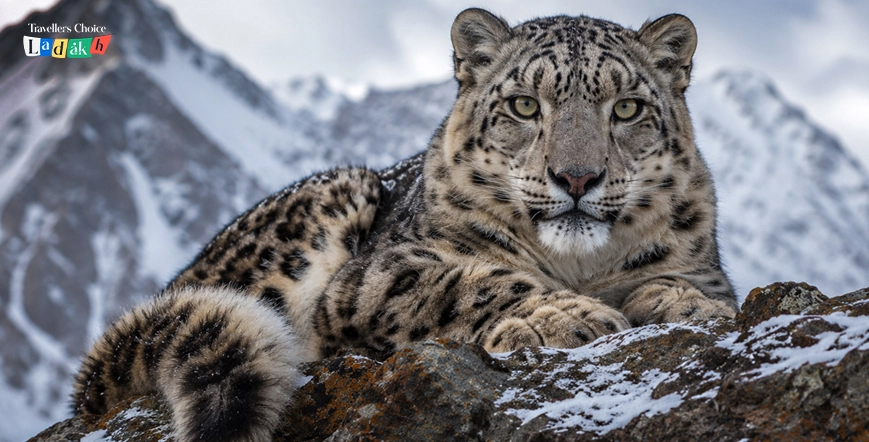
If you’ve ever wanted to spot the “Ghost of the Mountains” without freezing in a tent for three weeks, big news just dropped.
The local administration officially approved India’s first guided high-altitude wildlife safari.
According to the official Ladakh administration announcement, Lieutenant Governor Vinai Kumar Saxena greenlit the program under the newly formed Snow Leopard & High-Altitude Nature (SHAN) Conservation Society. This means open-back 4×4 jeeps, trained local spotters, and a legitimate, regulated way to track the world’s most elusive big cat.
Here is what you need to know about the new snow leopard safari Ladakh initiative and why it changes high-altitude travel forever.
1. Jeep Safaris Move to the High Desert
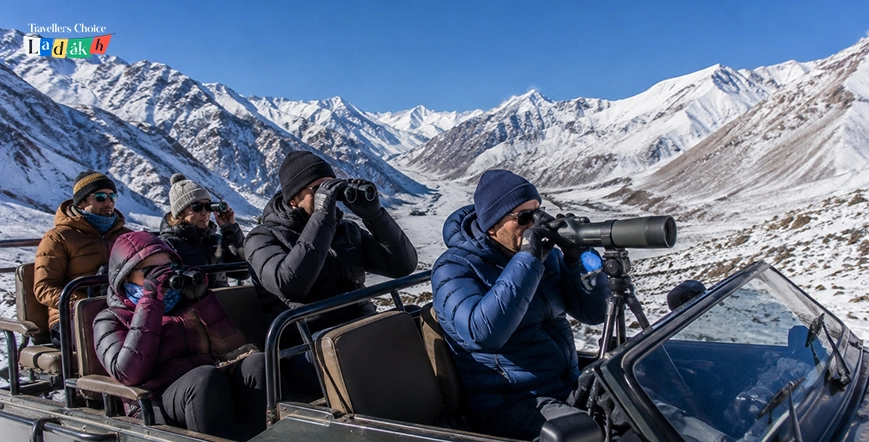
Until now, tracking snow leopards meant hardcore winter trekking: hauling heavy camera gear across frozen riverbeds in minus 25°C weather.
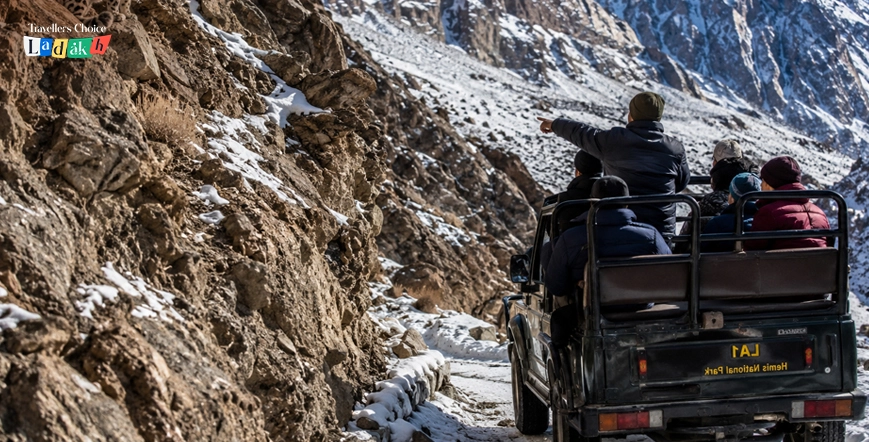
That changes this winter. Modeled after iconic national park drives in Kaziranga and Ranthambore, this new snow leopard safari Ladakh program introduces specially built open-back 4×4 vehicles designed specifically for mountain terrain.
Riders can ride along pre-established paths, avoid illegal off-road driving, and not freeze on foot. If you are looking to see a snow leopard, Ladakh is the best place on earth with a population of approximately 718 of Ladakh’s estimated 718 snow leopards.
2. Where the Safaris Are Rolling Out
This isn’t just a small loop around Leh. The government approved safari routes across the Union Territory’s prime wildlife habitats:
- Central Sanctuaries: Major trails spanning Hemis National Park, Ladakh, Changthang, and Karakoram Wildlife Sanctuary.
- Regional Valleys: Dedicated wildlife corridors across Nubra, Zanskar, Sham, Kargil, and Drass.
Because these valleys host over 38 mammal species and 340 bird species, an open-vehicle snow leopard safari offers a front-row seat to ibex, Tibetan wolves, and rare Himalayan birds, all without disrupting fragile ecosystems.
3. Local Spotters over Illegal Off-Roading
In recent years, unregistered off-roading vehicles damaged delicate high-altitude wetlands. This official wildlife safari Ladakh framework fixes that problem head-on.
Every single vehicle will be driven by trained local drivers and paired with certified wildlife guides. The administration is also training local youth as birdwatching experts and building 10 dedicated hides at major biodiversity hotspots.
Rather than the risky and unsupervised tours, organized snow leopard sightseeing Ladakh tours provide safe and supportive tourist experience as well as employment opportunities for the mountain communities.
4. How to Plan Your Ladakh Safari Trip
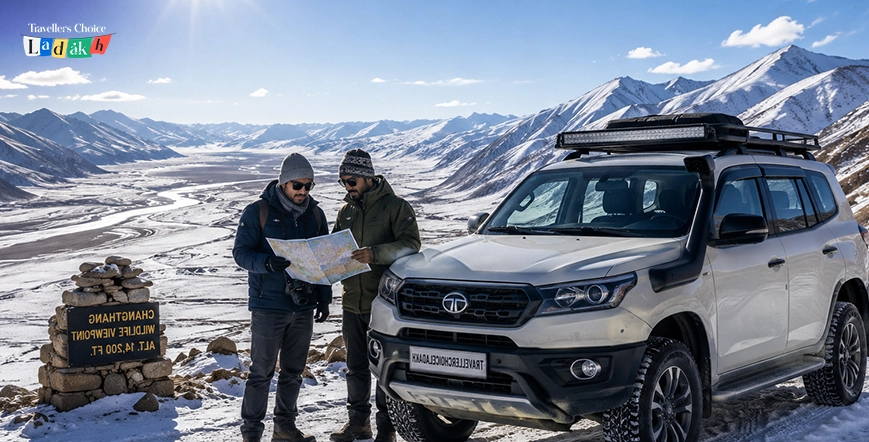
Planning a high-altitude expedition requires proper prep, clear permits, and reliable transport. The air at 12,000+ feet is thin, and winter temperatures don’t play around.
Before heading into the mountains, you’ll need at least 48 hours to acclimatize in Leh. If you’re building a broader wildlife itinerary that includes trekking routes, check out our Hemis National Park guide to understand the terrain and tracking zones.
Whether you need a rugged 4×4 from our private cab rental fleet or a fully managed wildlife tour, booking through local experts ensures your paperwork, permits, and heated transport are dialed in before you land.
Already got your seat booked for the first season? By booking a snow leopard safari in Ladakh with local experts, one can ensure the safety, legality, and eco-friendliness of their journey.
The Verdict
India’s first high-altitude safari turns one of the toughest wildlife experiences on Earth into a structured, eco-friendly adventure. Respect the terrain, trust your local guide, and keep your camera charged.
The mountain cats are waiting.
Frequently Asked Questions
The best time to see a snow leopard in Ladakh is during the winter months, specifically from December to March. As extreme cold and deep snow push wild blue sheep (Bharal) down into the lower valleys, snow leopards follow their prey, making them much easier to spot along valley floors and lower ridges.
This safari is conducted in specially designed local open-backed 4×4 jeeps, driven by trained local safari drivers and guides. There are set routes for safaris in Hemis National Park, Changthang and Karakoram, which are set in place to avoid illegal off-roading and disturbance of wildlife.
According to the official Status of Snow Leopards in India report, Ladakh is home to an estimated 477 snow leopards out of the total national population of 718, making it the top global destination for big cat sightings.
Yes. There are Wildlife Entry Permits and Inner Line Permits (ILP) to be obtained at the official level for protected wildlife sanctuaries and border areas such as Changthang and Nubra. They can be easily arranged by the registered local tour operators in Leh.