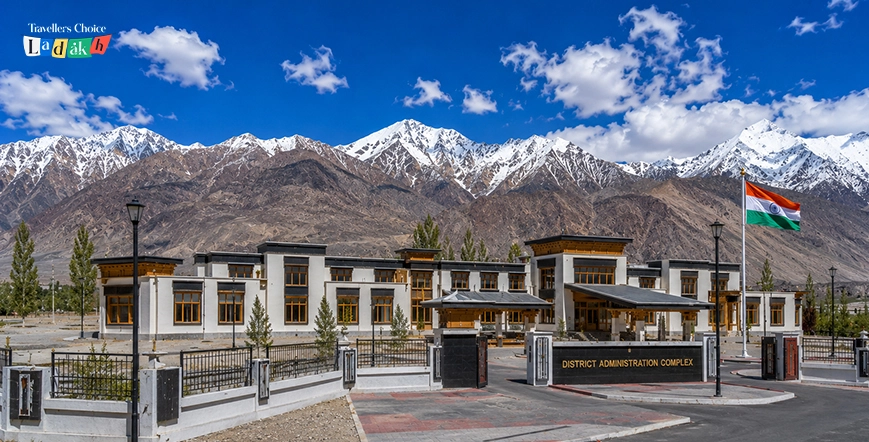
How Ladakh’s New Districts Could Make Your Journey Smoother
If you’ve ever tried getting an Inner Line Permit or reporting a flat tire in a remote valley, you know the drill. Everything used to run through just two massive regional hubs: Leh and Kargil.
If you were exploring Nubra or Zanskar and needed emergency administrative help, you faced a grueling 300-kilometer mountain drive across high passes just to reach a central officer.
Not anymore. The Ladakh administration officially reorganized the region, expanding from two districts to seven: Nubra, Sham, Changthang, Zanskar, and Drass. While governmental structural shifts usually sound like dry policy news, this decision by the Ladakh administration directly upgrades your vacation experience on the ground.
Here is how these sweeping Ladakh administrative changes translate into smoother, faster, and safer trips for every traveler.
1. Decentralized Permits (No More Leh Queues)
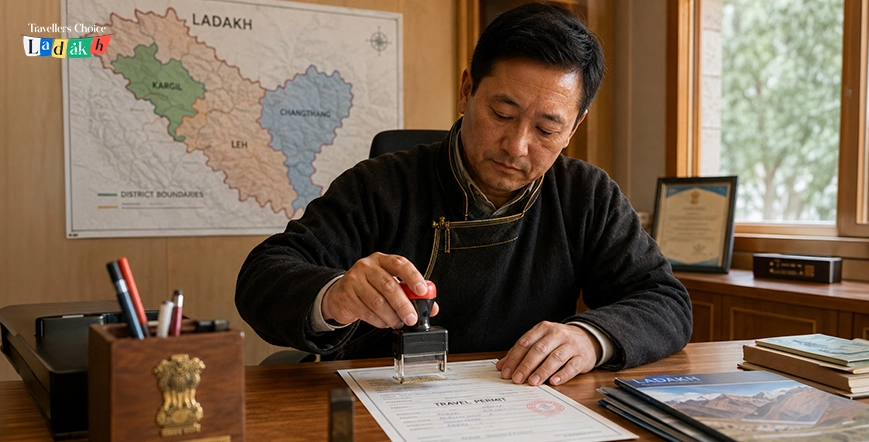
Previously, every single tourist paper, border permit, and emergency clearance had to pass through central administrative offices in Leh or Kargil.
With the new Ladakh administrative structure, major regional centers like Diskit (Nubra), Nyoma (Changthang), and Padum (Zanskar) now operate as full district headquarters.
How will this impact your travel plans? Quicker verification of the permit, shorter waiting time in queues, and officers on site of the Ladakh administration who know if the permit ahead of them is open or not. This is a tremendous boost to the overall efficiency of Ladakh’s tourism industry and will increase the time spent enjoying the views instead of waiting in offices.
2. Potholes and Passes Get Fixed Faster
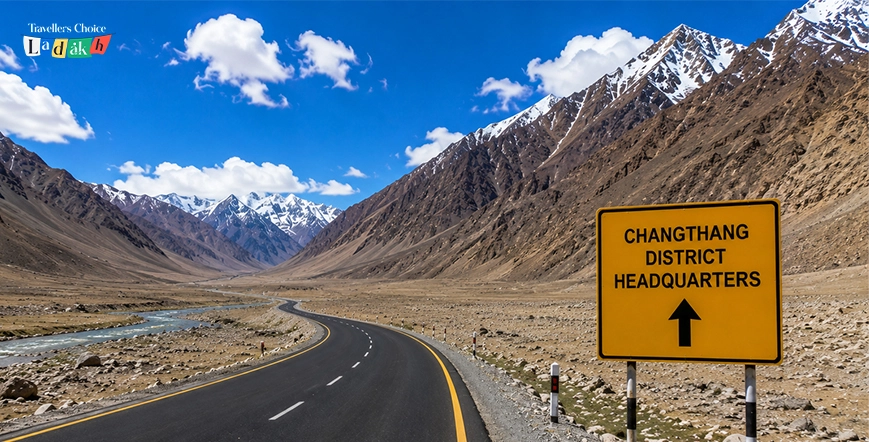
When a single district team oversees thousands of square kilometers of rugged high-altitude terrain, road maintenance and infrastructure repairs naturally take time.
Under these Ladakh new administrative changes, local district collectors and public works teams are stationed directly inside the valleys:
- Faster road repairs: Landslide clearings on critical mountain routes like Khardung La or Chang La get dispatched locally rather than waiting for crews sent from miles away.
- Better waste management: Remote Ladakh tourist places like Pangong Lake or Turtuk now get dedicated local sanitation teams backed directly by the Ladakh administration to keep fragile ecosystems clean.
- Quicker medical response: Fully equipped district-level medical facilities and emergency oxygen stations are being established in remote border hubs, making high-altitude Ladakh travel much safer for visitors.
3. Offbeat Spot Upgrades
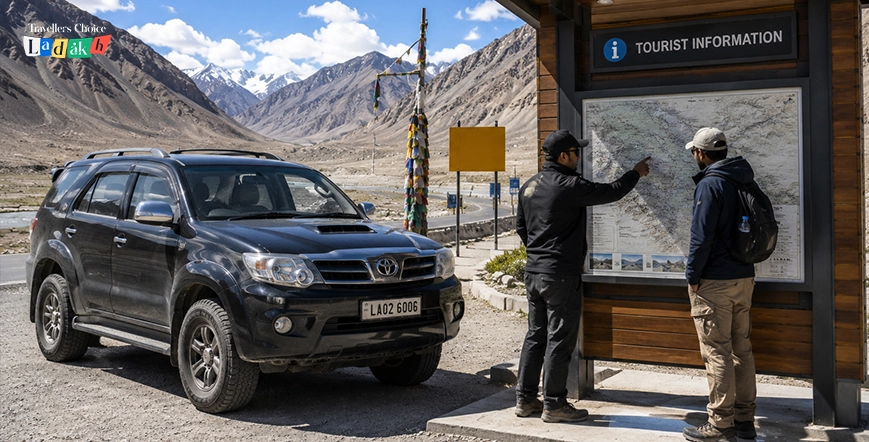
Smaller, focused districts mean local authorities now have dedicated municipal budgets and clear mandates to develop hidden gems across the high desert.
Instead of everyone piling into the same three overcrowded Leh Ladakh tourism places, sub-regions like Changthang and Sham can now directly build visitor interpretation centers, regulated homestay networks, and eco-friendly facilities.
Interested in seeing how wildlife conservation works alongside these remote infrastructure upgrades? Check out our guide on bird watching in Ladakh to see how remote wetlands are being protected while welcoming eco-tourists.
Navigating the New Map with TCL
Even with modern reforms pushed by local authorities, you still need an experienced team on the ground who knows the terrain inside out.
That’s where we come in. At TravellerChoiceLadakh (TCL), our operational team works closely with local district offices to stay ahead of real-time road openings, permit updates, and weather advisories.
Whether you want to rent a 4×4 from our private cab rental fleet or prefer a fully customized tour itinerary, we handle all the paperwork and logistics so you can focus entirely on enjoying the journey.
The Verdict
Fewer administrative bottlenecks mean better roads, faster help, and seamless access to remote border valleys. The regional governance structure made the map bigger, but for travelers, it just made paradise a whole lot easier to reach.
Pack your bags; the mountain roads are smoother than ever.
Frequently Asked Questions
The five new districts are Nubra, Sham, Changthang, Zanskar, and Drass. They join the existing districts of Leh and Kargil, bringing the total number of administrative districts in the Union Territory to seven.
New districts bring governance directly to remote valleys. This results in faster emergency response times, better-maintained roads, quicker permit processing, and upgraded tourist facilities in offbeat areas like Hanle, Turtuk, and Padum.
Yes, Inner Line Permits are still required for protected border zones including Nubra, Pangong, Tso Moriri, and Hanle. However, with local district offices operating directly in places like Nyoma and Diskit, administrative support and permit checks are much faster.
The administrative shift improves road travel by ensuring localized highway maintenance and rapid clearing after landslides. Established local operators like TravellerChoiceLadakh (TCL) manage all inter-district permits and routing seamlessly for you.