What Ladakh’s 5 New Districts Mean for Travel & Local Life
Driving 300 kilometers across frozen mountain passes just to stamp a permit is officially dead.
With five new administrative zones created, preparations for Ladakh district elections are officially underway. Instead of remote offices in Leh or Kargil calling every single shot, local valleys like Zanskar, Nubra, and Changthang are getting their own elected hill councils to control their own budgets, roads, and regional planning.
This isn’t just backend political paperwork. It directly changes how permits get processed, how mountain infrastructure gets built, and how you travel across the high desert.
Here is a breakdown of what these administrative shifts mean for residents, grassroots governance, and high-altitude travel.
1. From Two Districts to Seven
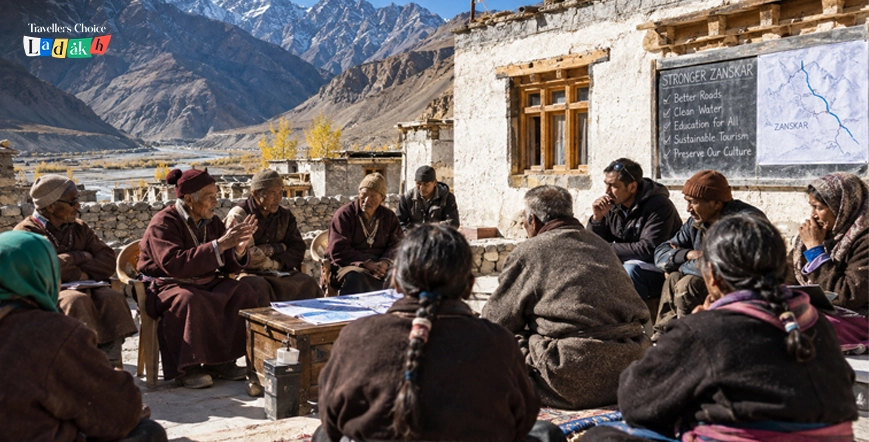
For decades, the vast Union Territory of Ladakh was split into just two massive administrative districts: Leh and Kargil.
Managing remote border settlements from distant urban hubs created endless logistical headaches for residents. The creation of the five New districts of Ladakh– Sham, Nubra, Changthang, Zanskar, and Drass- expands the region’s map from two districts to seven:
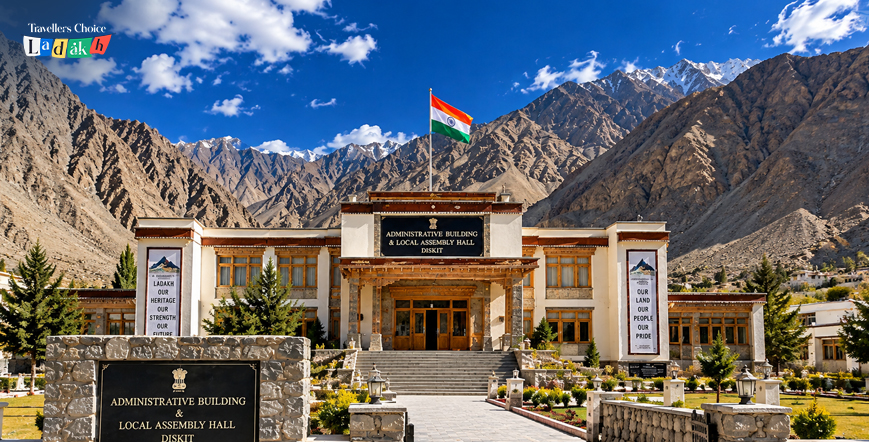
- Leh Division: Two districts, Leh and Sham (Khaltse), have started functioning from central Leh, while three other districts, Nubra (Diskit) and Changthang (Nyoma), function separately.
- Kargil Division: Kargil district retains central Kargil, while Zanskar (Padum) and Drass (Drass-Ranbirpura) function as independent districts.
According to a detailed NDTV report on Ladakh’s district councils, this expansion brings administrative machinery much closer to residents in remote border zones.
2. Decentralized Power at High Altitude
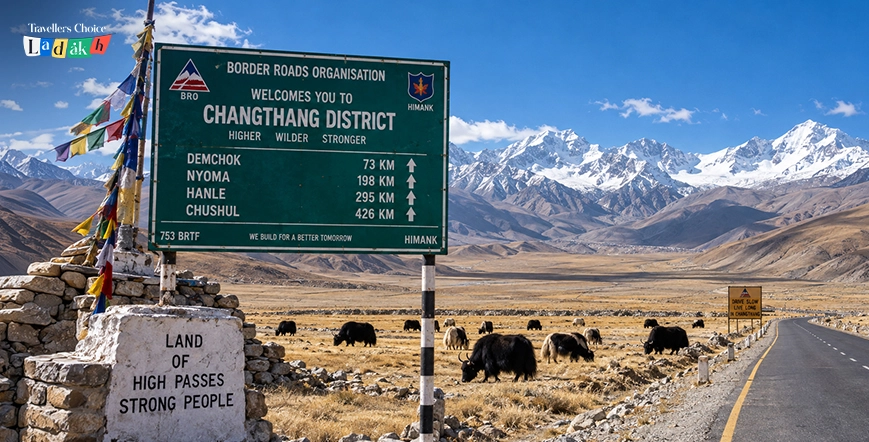
Under Section 8 of the Ladakh Autonomous Hill Development Councils (LAHDC) Act, the UT administration is extending elected council representation into all seven districts.
Understanding how Ladakh district elections decentralize governance comes down to direct local representation. Instead of routing local budgets through central offices in Leh or Kargil, elected representatives from each specific valley will now manage local funds, school infrastructure, healthcare facilities, and road maintenance.
These sweeping Ladakh administrative reforms replace centralized delays with hyper-local decision-making designed specifically for high-altitude terrain.
3. What This Means for Travelers
For travelers, this administrative shift is massive news for Ladakh tourism.
Public infrastructure in a popular travel corridor improves very quickly when the council runs its own backyard:
- Faster Permit Processing: Local district headquarters in Diskit, Nyoma, and Padum can manage regional permits and visitor logistics directly.
- Upgraded Infrastructure: Direct budget allocation translates to better-maintained side roads, cleaner public rest stops, and faster emergency response teams across high passes.
- Community-Led Eco-Tourism: Local councils in environmentally sensitive areas such as Changthang and Zanskar can implement measures to ensure eco-tourism does not negatively impact local ecosystems, and that revenues generated by homestays stay within the village.
4. Exploring the Seven Districts with TCL
The upcoming district elections in Ladakh will create new local administrative centers in each valley, and the journey between valleys will need battle-tested high-altitude transport.
Whether you are driving across Changthang’s vast high plains, crossing Singge La into Zanskar, or exploring the apple orchards of Sham district, our local team at TravellerChoiceLadakh (TCL) has you covered.
Book a private car rental from our high-clearance SUV fleet, or choose Ladakh tour packages for a customized tour of all seven districts with experienced mountain drivers familiar with all Ladakh passes.
The Verdict
This is a paradigm shift for the high desert and a real opportunity for people in the local valleys to take control of their own fate. Better mountain communities mean better roads, improved safety, and an enriched mountain experience for all visitors.
The frontier is moving forward.
Frequently Asked Questions
The five new districts are Sham (headquarters in Khaltse), Nubra (Diskit), Changthang (Nyoma), Zanskar (Padum), and Drass (Drass-Ranbirpura). With the addition of Leh and Kargil, Ladakh now has seven districts.
The UT administration has begun the legal notification process under the LAHDC Act to establish elected councils in all seven districts. The election authority will formally announce official election schedules and voting dates after gazette publication.
Standard Inner Line Permits (ILP) issued by the UT administration cover travel across protected border areas like Nubra, Changthang, and Zanskar. Establishing local district offices will streamline permit checks and visitor services on-site.
New district headquarters mean improved road maintenance, better medical facilities, localized emergency response, and better tourism infrastructure in remote zones like Drass, Zanskar, and Changthang.