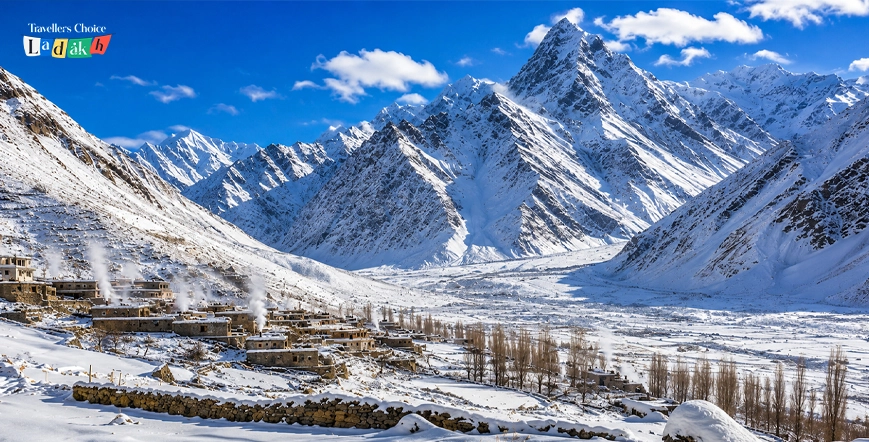
Experiencing Dras at -30°C: Snow, Silence, and Survival
If you think your local winter is rough, try breathing when the thermometer reads -30°C.
Your nose hairs freeze instantly. The water in your water bottle turns to solid ice in minutes. And the quiet around you is so absolute you can hear your own heartbeat.
Welcome to Dras.
This is a high-altitude town in the Kargil district and is the coldest place in India and the second-coldest inhabited place in the world, with an altitude of 10,800 feet. Most tourists visit Dras in the summer, but in the winter it is a harsh and utterly surreal test of human endurance in an icy world.
1. The Reality of -30°C: Thermometers Don’t Lie
Situated right at the base of the Zoji La pass, the valley acts as a natural freezer box.
In winter (November to March), temperatures in Dras regularly drop from -20 to -35°C, sometimes lower during severe cold waves. Dras weather is not only cold to the toes, but it’s also a physical phenomenon. Fuel lines freeze, engine oil thickens to molasses, and the mobile battery drops from 100% to zero in just 5 minutes. One thing to keep in mind when packing for Dras in the winter is that regular city winter clothing won’t get you very far here.
2. Life in a Frozen Landscape
What makes the valley mesmerizing in winter is not just the cold but the total, unbroken silence.
Every river, stream, and waterfall halts, transformed into a frozen landscape under feet of powdery snow. The surrounding Himalayan peaks stand like silent, towering sentinels.
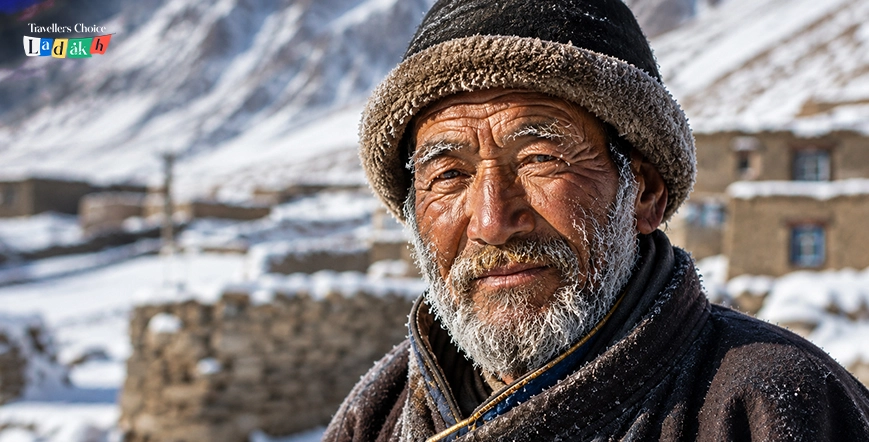
Yet, life doesn’t stop. The native inhabitants, mostly from the resilient Dardic community, have negotiated these harsh winter conditions for centuries:
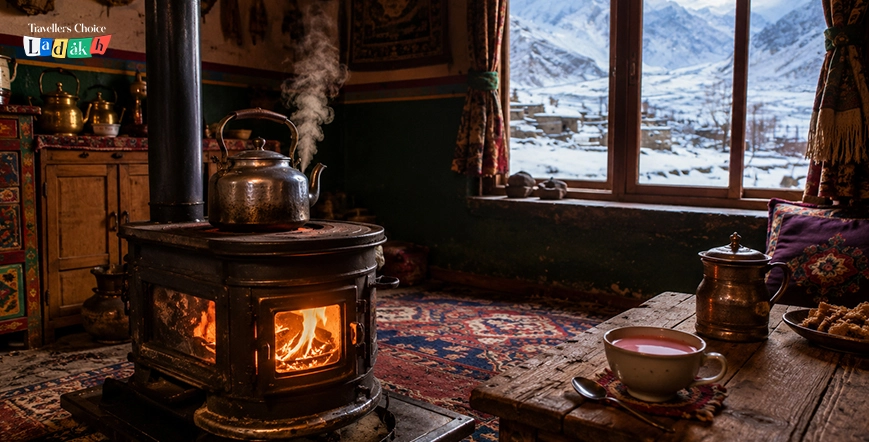
- Traditional Heating: Homes are built with thick mud-brick walls and heated by central wood-burning stoves called Bukharis.
- Winter Food Prep: Months before snow arrives, families stock up on dried mutton, root vegetables, barley flour (tsampa), and churn butter. Within: Constant cups of piping-hot, salted butter tea (Gur Gur Cha) keep core temperatures stable in the relentless sub-zero cold.
3. Planning Dras Winter Travel (Without Freezing)
So, when is the best time to visit Dras?
Alpine meadows are green, and road trips are comfortable from June to September. Winter trips in Dras offer a surreal experience you simply won’t find anywhere else in the nation. For the diehard photographer, winter enthusiast, or extreme traveler seeking the ultimate frontier experience, winter travel is definitely the way to go in Dras.
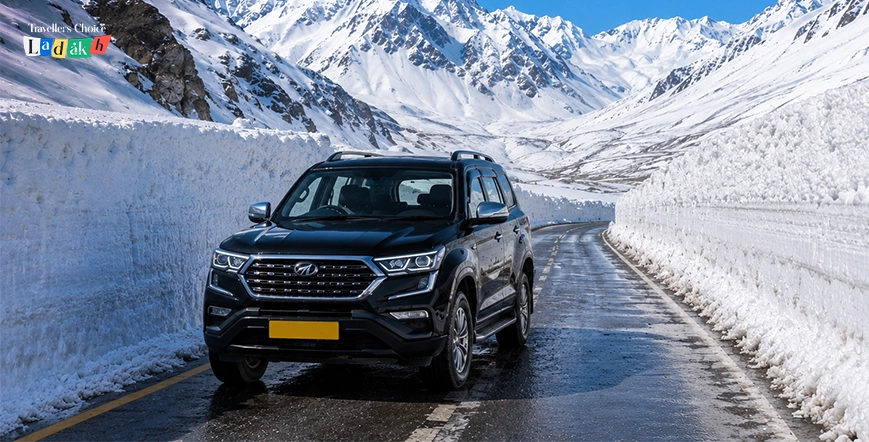
However, a trip during deep winter requires bulletproof logistics. High passes like Zoji La often close temporarily during heavy snowfall, so weather windows change rapidly.
To prepare your body for sharp, freezing altitude drops, check out our essential acclimatization tips for Ladakh before heading out.
We at TravellerChoiceLadakh (TCL) ensure you stay safe in extremely rough terrain. Whether you need a winter-ready homestead with a dependable indoor heating system or a rugged 4×4 with anti-freeze fuel additives, we’re here to do the heavy lifting for you so you can enjoy the high desert without fear.
The Takeaway
Dras at -30°C is not just a destination; it is a humbling reality check. It reminds us how vast nature is, how quiet the mountains can be, and how tough humans are when pushed to the limit.
Pack your expedition-grade down jacket, respect the cold, and come experience the roof of the world at its wildest.
Frequently Asked Questions
Dras recorded a mind-boggling minimum temperature of -60°C during the winter of 1995, cementing its status as the second coldest inhabited place on Earth after Oymyakon in Siberia.
Dras can be accessed by road from Leh/Kargil and from Srinagar via the Zoji La Pass,, which sometimes remains blocked during heavy snow in December and March. Before using the road, please always check with local operators for current road conditions.
Heavy thermal base layers, a jacket rated to -30°C and windproof, waterproof insulated boots, waterproof gloves, wool socks, and a balaclava are essential. Clothing of any kind that is made from cotton should be avoided in all cases.
Yes, there are still limited homestays and government guest houses that are available with traditional Bukhari wood stoves and insulated rooms. Reservations with a local travel agency are strongly advised, as they will ensure the heating is booked correctly.