Winter Trekking in Ladakh: Top Trails & Cold-Weather Tips
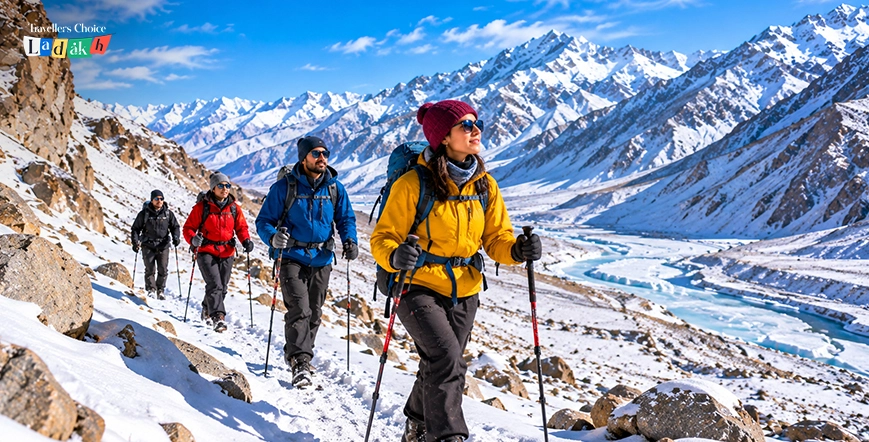
At 13,000 feet in January, your breath freezes on your beard, canyon walls tower five hundred feet above a solid river of ice, and you won’t see a single tour bus for days.
Summer hikers fight for tent space on crowded meadows. Meanwhile, Winter trekking in Ladakh unlocks an entirely different Trans-Himalayan universe, one defined by frozen gorges, elusive mountain wildlife, and silent snow-draped villages.
If you are ready to trade green pastures for sub-zero adventure, here is why hitting the frozen trails is the ultimate way to experience the high desert:
1. Zero Crowds on Iconic Mountain Trails
In July and August, popular routes feel like high-altitude highways. Step onto the trail during winter in Ladakh, and the silence hits you immediately.
When you opt for winter trekking, you can enjoy dramatic gorges, ancient stone stupas, and snow-blanketed passes all to yourself. You don’t have to listen to dozens of trekking groups; you get to hear the crunch of snow under your feet, the prayer flags flapping in the wind, and the occasional herd of blue sheep grazing on rocky ridges.
2. Three Unforgettable Winter Trails to Conquer
Not every winter route requires camping on solid ice at -25°C. Depending on your cold tolerance and fitness level, you can pick from three distinct expeditions:
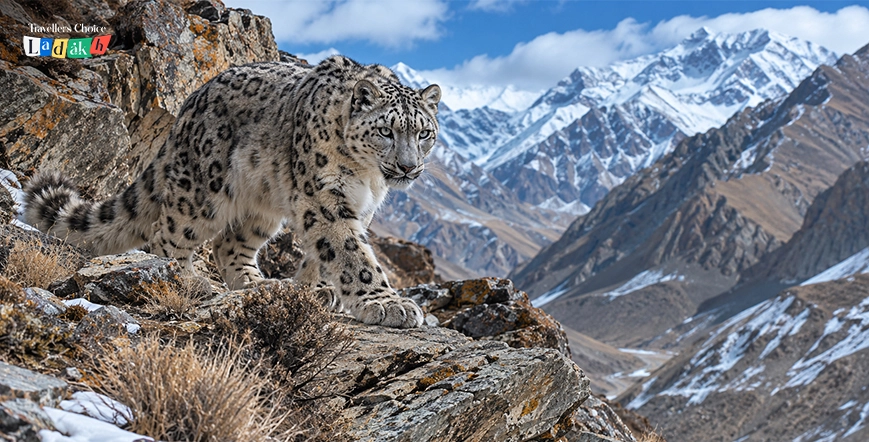
- Snow Leopard Trek (Hemis National Park & Ulley): Running from mid-November through March at altitudes between 3,500m and 4,100m, this trek takes you into Rumbak Valley and Ulley. Heavy snow forces prey animals down to lower slopes, giving trackers the highest odds of spotting the elusive “Grey Ghost of the Himalayas” in the wild.
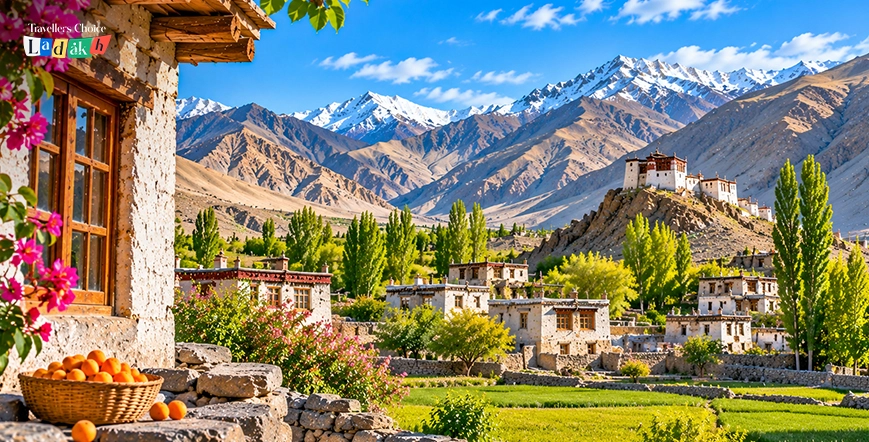
- Sham Valley Winter Trek (Likir to Temisgam): Known as the “Baby Trek,” this 3-to-4-day route stays below 3,800 meters. Because you sleep in warm, Bukhari-heated village homestays each night instead of tents, it is the smartest entry point for Snow trekking in sub-zero weather.
- The Chadar Trek (Frozen Zanskar Gorge): Walking across the frozen Zanskar River between Chilling and Nerak in January and February is legendary. However, ice formation depends heavily on winter temperatures; the Leh administration conducts strict safety checks each season and suspends the trek if the river ice isn’t thick enough, so always verify official clearances before locking in flights.
3. Deep Immersion in Remote Village Life
Summer treks bypass settlements via high campsites. Winter trekking in Ladakh pulls you right into the heart of local hospitality.
Village homestays are the lifeline of your Ladakh trip during extremely cold winter months, as they are the places you explore in the Offbeat Places in Ladakh. You wrap your hands around iron Bukhari stoves, drink copious amounts of salted yak butter tea (Gur Gur Chai), and sit around heaping bowls of homemade Skyu stew with families who have learned to live high in the mountains for generations.
4. Non-Negotiable Prep for Sub-Zero Altitudes
Cold weather at high elevation punishes shortcuts. Before launching a winter Ladakh expedition, lock down these essentials:
- Mandatory Acclimatization: In winter, you must take a strict 48-hour rest before walking uphill to Leh (3,500m) straight from the airport. In addition, for regulated routes, such as Chadar, a medical exam and registration in Leh are also required.
- Three-Layer Thermal System: Combine moisture-wicking merino wool baselayers, heavy fleece mid-layers, and a -15°C-rated down parka with waterproof outer shells.
- Battery & Hydration Care: Phone and camera batteries discharge in minutes in sub-zero temperatures; store spares in inner jacket pocket. Bring insulated flasks so that you don’t end up drinking a block of ice instead of water.
5. Seamless Trailhead Transfers with TCL
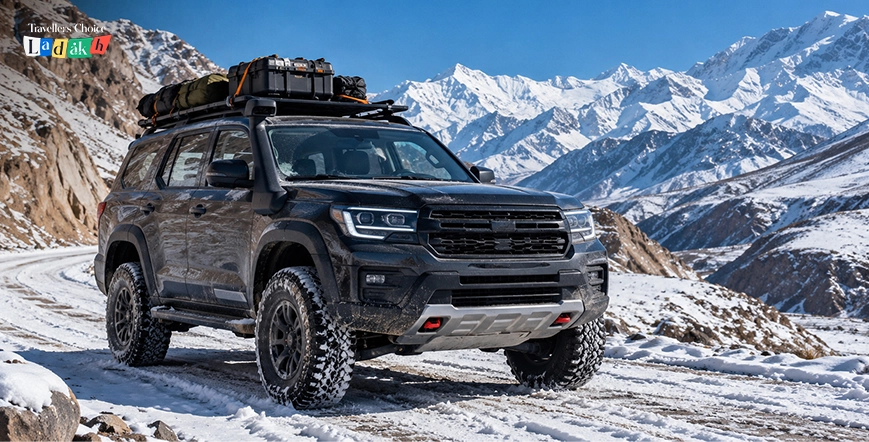
Reaching remote winter trailheads like Zingchen, Rumbak, Likir, or Chilling requires navigating black ice and freezing morning starts.
To get to your starting point safely and customize your mountain route around weather windows, book a winter-prepped 4×4 SUV with an experienced local driver through TravellerChoiceLadakh (TCL) via our Ladakh car hire service. Reliable local wheels make winter trekking in Ladakh smoother, warmer, and completely stress-free.
Step Into the Frozen Silence
Frozen waterfalls, snow leopard tracks in fresh snow, and hot butter tea at the end of the trail. The trails are frozen, removing tourist fluff and revealing the rawest of the Himalayas.
Pack your heaviest down layers, respect the altitude, and earn your winter views.
The frozen frontier is waiting.
Frequently Asked Questions
The trekking season is from mid-November to March. During this period, the Sham Valley Trek and Snow Leopard Trek are running. Meanwhile, the frozen river Chadar trek is only available in January and February, with official ice-safety clearance from the Leh administration.
The Sham Valley Winter Trek (Likir to Temisgam) is a good introduction for novices. It stays below 3,800 meters, takes 3-4 days, and includes a village house to stay in, heated by Bukhari each night, rather than sub-zero tent camping.
Daytime temperatures are usually between -2°C and -10°C, while at night temperatures fall to -15°C in villages in the Zanskar valley and below -25°C in the Zanskar gorge.
Yes. Because you fly directly into Leh at 3,500 meters during winter, at least 48 hours of strict rest and hydration in Leh are mandatory before ascending higher trails. Regulated routes like Chadar also require an official medical checkup in Leh.