PM Modi Launches ₹3,350 Crore Ladakh Infrastructure Boost
Forget slow mountain progress and outdated regional facilities. The Trans-Himalayas just received a massive high-tech infrastructure overhaul.
Prime Minister Narendra Modi virtually inaugurated five major projects in Ladakh worth ₹3,350 crore at a landmark event. From a geothermal-powered airport terminal for 35 lakh passengers to deep mountain roads and even petroglyph parks, this mega-push is changing the face of travel in the high desert.
After PM Modi’s big declaration, here’s all you need to know about the new infrastructure and how it will take your next Himalayan journey to new heights:
1. The ₹640 Crore Upgrade: New Leh Airport Terminal
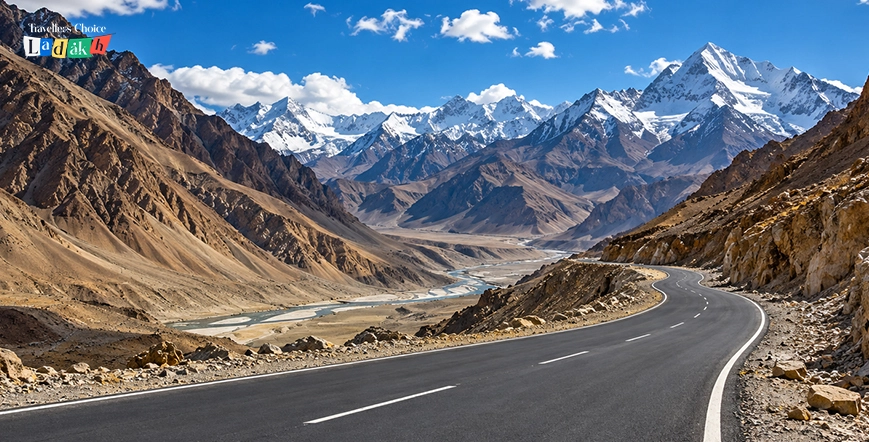
This shift stems from the new passenger terminal at the state-of-the-art Kushok Bakula Rimpochee Airport, Leh. This shift is driven by the new passenger terminal at the state-of-the-art Kushok Bakula Rimpochee Airport, Leh.
The modern terminal is 23,800 square meters and cost ₹640 crore to build, increasing airport capacity to 35 lakh passengers per year. It blends traditional Ladakhi stone-and-wood architecture with the latest geothermal power technology, significantly reducing carbon emissions.
These new projects in Ladakh will cut airport wait times, keep interiors warm in winter, and make year-round flight connections smoother.
2. All-Weather Access: The 298-km Nimmu-Padum-Darcha Road
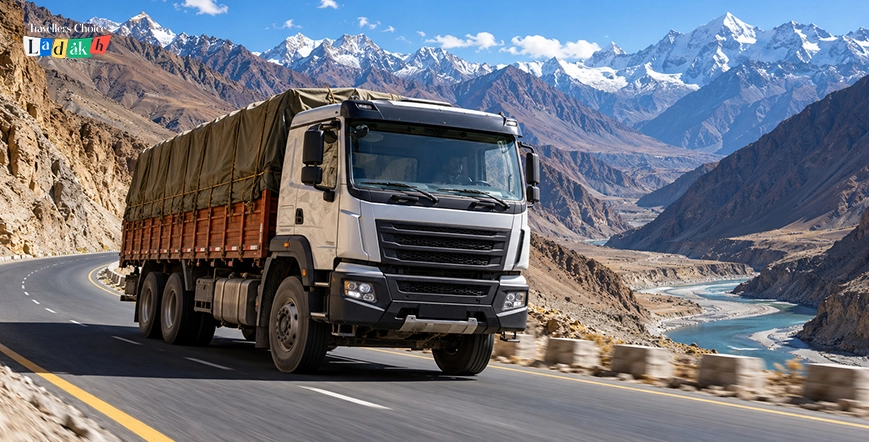
Border connectivity and remote travel just got a game-changing boost.
The 298-km Nimmu-Padum-Darcha highway was officially opened to the nation. Constructed by the Border Roads Organization (BRO), it connects Lahaul (in H.P.) with Leh via the Zanskar Valley, the third axis road of the border.
It improves connectivity in Ladakh for the defense forces and local communities by avoiding multiple high passes when accessing Zanskar from Kargil.
3. Powering Villages and Conserving Ancient Heritage
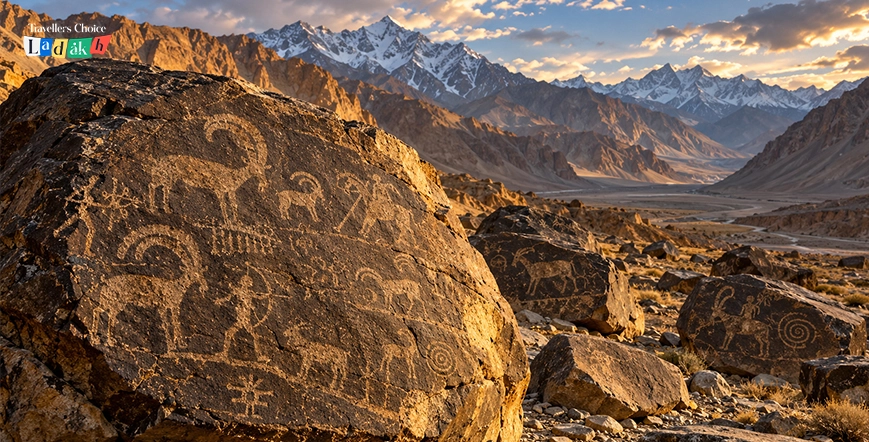
Funding for these Ladakh development projects extends far beyond transport routes, investing heavily in clean energy, water security, and cultural preservation:
- Clean Energy: The 9 MW small hydroelectric project and the 66 kV Dah-Hanu-Khaltsi (DHK) transmission line provide reliable electricity to remote river settlements.
- Water Security: In 40 mountain villages, Project Amrit Him Sarovar rejuvenated 40 water bodies, providing water for cultivation and homes.
- Ancient Art Preservation: India’s first Petroglyph Conservation Park at Sindhu Ghat in Leh protects prehistoric rock carvings depicting ancient Himalayan life.
Together, these initiatives add an incredible new chapter to Ladakh’s progress and development, balancing modern infrastructure with heritage preservation.
4. What This Means for Travel and Logistics
Ladakh tourism is evolving into a 24×7 destination, with newly constructed highways and a larger airport. Other valleys, such as Hanle and Zanskar, are now open to more visitors year-round.
Navigating upgraded highways requires battle-tested high-altitude vehicles and drivers who know every turn. At Traveller Choice Ladakh (TCL), we provide winter-ready 4×4 SUVs through our Ladakh car hire service around these new routes.
As the Times of India reports on Ladakh infrastructure, these mega development projects make exploring the high desert easier than ever. With these transformative projects now live, travel through Leh and Zanskar is smoother than ever.
The Announcement Verdict
Faster air connectivity, brand-new mountain highways, and sustainable green power. The high desert is no longer isolated; it is leading the charge in sustainable Himalayan development.
Pack your bags and experience the new era of high-altitude travel.
Frequently Asked Questions
PM Modi inaugurated five major development projects worth Rs 3,350 crore, including the new passenger terminal at Kushok Bakula Rimpochee Airport, Leh; the 298 km Nimmu-Padum-Darcha Road; the 9 MW Hanu Hydroelectric Project; India’s first Petroglyph Conservation Park; and 40 water bodies in villages under Project Amrit Him Sarovar.
The new passenger terminal building at Kushok Bakula Rimpochee Airport in Leh spans 23,800 square meters and is designed to handle up to 35 lakh (3.5 million) passengers annually.
The terminal uses geothermal energy systems to optimize energy use, keep the indoor environment comfortable in sub-zero winters, and reduce carbon emissions in a highly ecologically sensitive high-altitude location.
The 298-km road, built by the Border Roads Organization (BRO), has provided third all-weather connectivity between Ladakh and Himachal Pradesh via the Zanskar Valley, which has far fewer high passes than its rivals.