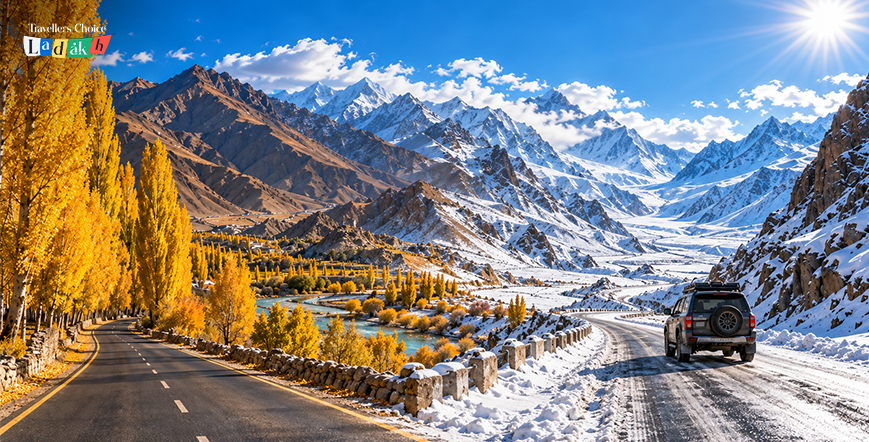
Beyond Summer: Ladakh’s Rise as a Year-Round Destination
For decades, traveling to the Trans-Himalayas followed one predictable rule: arrive in June, fight pass traffic, snap a Pangong selfie, and run home before October freezing temps hit.
That four-month deadline is officially dead.
From ice climbing frozen waterfalls in January to dark-sky stargazing at 14,000 feet in November, Ladakh’s all-season tourism is turning the high desert into a 365-day playground.
Here is how the region is breaking out of its summer-only box:
1. Breaking the Summer- Only Constraint
In the past, the only time to travel in the high desert was a very narrow four-month period. During summer, Ladakh was also very crowded, with a bustling market in Leh and strained water and energy supplies.
Local authorities and operators are actively encouraging multi-season itineraries to help balance visitors and protect the environment during the busier seasons. The new all-season tourism strategy in Ladakh helps distribute income throughout the year, ensuring homestays, drivers, and local guides have work after the rains.
2. Astro, Wellness, and Cultural Experiences
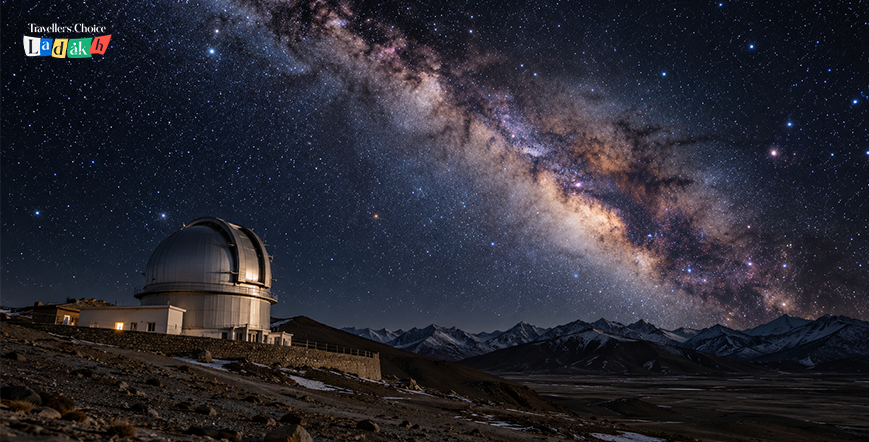
Developing Ladakh all-season tourism relies on high-impact niche segments that draw travelers outside traditional peak months:
- Astro-Tourism: Ideal stargazing locations such as Hanle in the highest Dark Sky Reserve in India (14,000 feet) have dark, clear skies in the autumn and winter months.
- Culture-Based Tourism: Monastic festivals like Spituk Gustor and Dosmoche take place deep in winter, allowing travelers to experience authentic Tibetan Buddhist rituals without summer crowd noise.
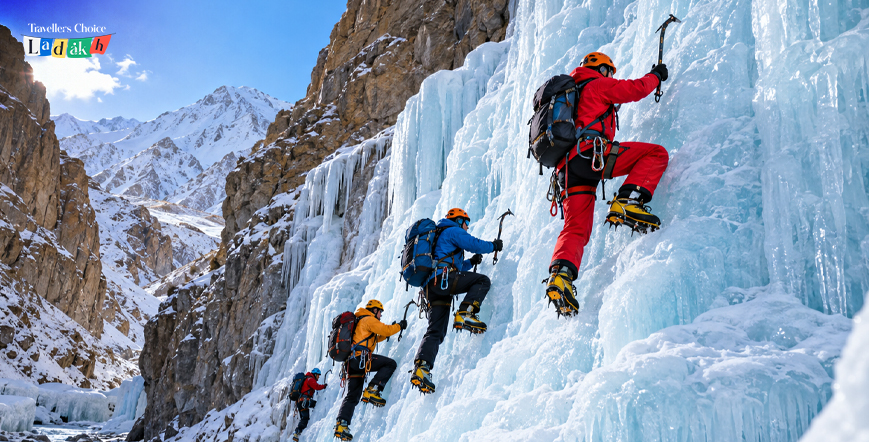
- Adventure Tourism: Winter sports are gaining popularity at high altitudes, from ice climbing in the valleys to the popular Chadar Trek on the frozen Zanskar River.
This expansion proves that Ladakh in winter is not a frozen wasteland; it is a thriving playground for culture seekers and extreme sports enthusiasts.
3. Sustainable, Community-Led Growth
Rapid tourism growth without guardrails can destroy fragile high-altitude ecosystems.
At the inauguration of the Ladakh Festival, Lieutenant Governor Vinai Kumar Saxena said the aim is not just to increase tourist inflow online. Instead, the initiative, backed by the Ladakh Tourism Department, focuses on sustainable development that not only generates revenue from homestays for the local community but also helps conserve the fragile desert ecology.
By spreading visits across spring, autumn, and winter, Ladakh all-season tourism protects local natural resources while guaranteeing a stable economic baseline for mountain families.
4. Exploring the High Desert Year-Round with TCL
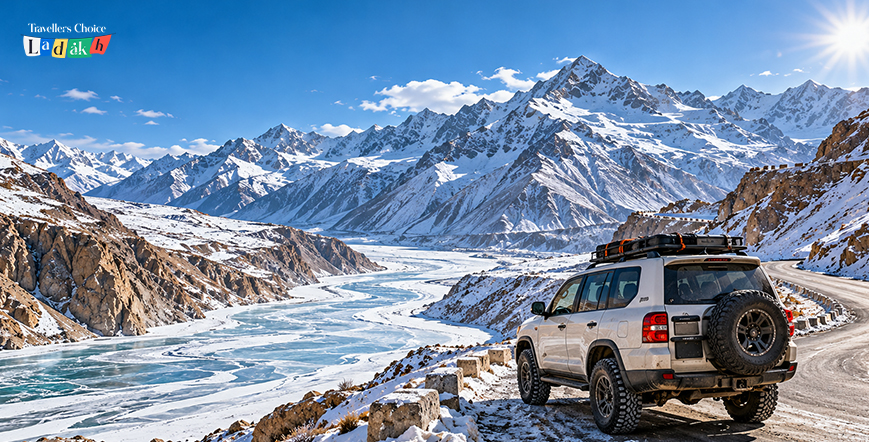
As Ladakh all-season tourism continues to gain momentum across this iconic Ladakh tourist destination, reliable transport and local expertise are critical, especially when temperatures drop.
Navigating ice-slicked passes, winter snow, or remote stargazing hubs requires battle-tested high-altitude vehicles and local drivers who know every curve of the highway. At TravellerChoiceLadakh (TCL), our team provides prepped vehicles year-round through our Ladakh car hire service, and designs customized Ladakh tour packages for summer road trips, autumn foliage drives, and winter cultural expeditions. As covered in recent coverage of Ladakh’s year-round tourism initiative, sustainable travel starts with local planning.
The Ladakh All Season Verdict
Ladakh is no longer shutting down in October. With dark sky reserves, frozen river treks, and rich winter festivals, the high desert is open for business 365 days a year.
Whether you want summer adventures, autumn landscapes, or a peaceful winter escape, Ladakh has something unique to offer in every season. Plan your trip around the experiences you want most and discover a different side of the mountains.
Pick your season and hit the road.
Frequently Asked Questions
Yes. Leh is served year-round by flights from Kushok Bakula Rimpoche Airport. Some high mountain passes may close for a few days during extreme winter storms; however, other passes remain accessible for winter tourism, such as Leh, Sham Valley, Hanle, Diskit, and Padum.
Popular winter activities include the Chadar Trek (frozen Zanskar River walk), ice climbing in the Gangles and Nubra Valley, winter monastery festivals such as the Spituk Gustor, and snow leopard tracking in Hemis National Park.
Astro-tourism is the observation of the night sky, the science of the starry sky, and astrophotography in areas with low light pollution and high altitude. Hanle in Changthang is India’s first Dark Sky Reserve, where you can find telescopes and trained local village stargazers.
Daytime winter temperatures in Leh range from -2°C to -10°C, while nighttime temperatures drop to -15°C to -25°C. Heated accommodations, sub-zero thermal gear, and prepped high-altitude transport are essential.