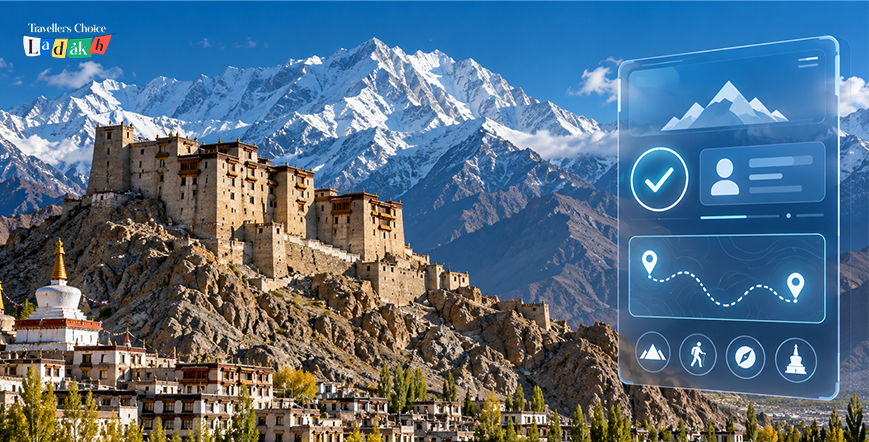
World Tourism Day 2026: How Ladakh Is Shaping the Future of Travel
On September 27, the world stops and asks a question tourism cannot afford to ignore. How can people travel without destroying the places they love? The World Tourism Day theme 2026, set by UN Tourism, is “Digital Agenda and Artificial Intelligence to Redesign Tourism,” with El Salvador hosting global celebrations from September 26 to September 27, 2026. The focus: using technology to improve visitor experiences and operational efficiency while helping tourism grow sustainably, not chaotically. Few places make that question feel more urgent or more real than Ladakh.
The Growing Strain on Ladakh’s Cold Desert
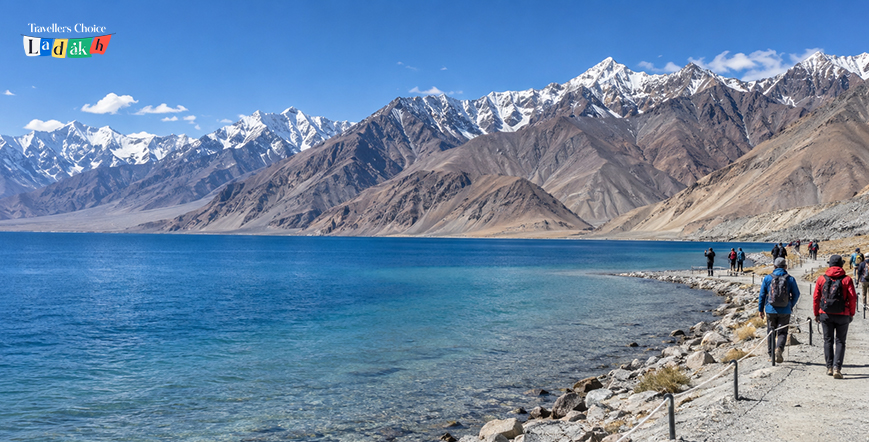
In the last 20 years, tourism in Ladakh has grown rapidly. What used to be a quiet summer spot for a few visitors now draws hundreds of thousands each year, thanks to Pangong Tso’s blue waters, Khardung La’s winding roads, cliffside monasteries, and other unique sights. But this rise in visitors has a cost.
Tourism is putting pressure on Ladakh’s limited water supply in its high-altitude desert setting. More waste is also becoming a problem. Together, these issues threaten a fragile ecosystem that took thousands of years to form but could disappear in just one generation. Protecting the environment is now central to planning for Ladakh’s future, not just an afterthought. World Tourism Day 2026 calls on the industry to address, and the Ladakh administration has started taking practical steps.
Ladakh’s Institutional Readiness for Staying Beautiful
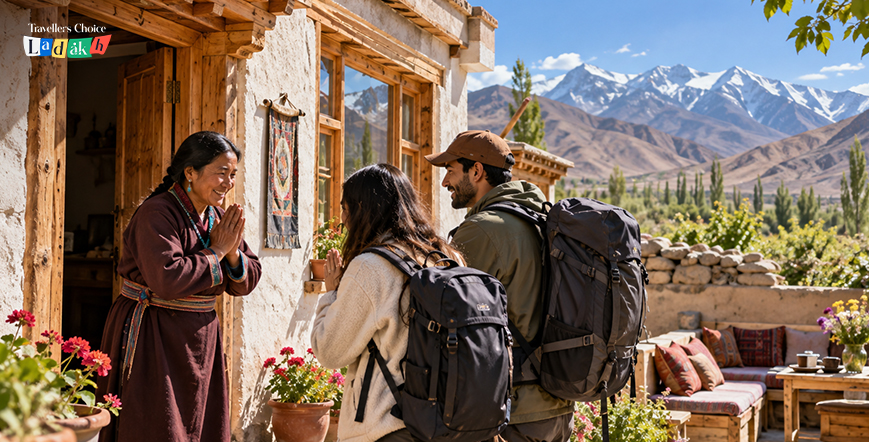
In June, Lieutenant Governor VK Saxena approved the Ladakh Tourism Development Society (LTDS) as an autonomous, not-for-profit entity. Thus, it brings government agencies, the private sector, community members, and industry associations together on one platform. Their plan is to promote, regulate, and coordinate sustainable tourism in the Ladakh region. Its scope of work clearly reflects this year’s UN Tourism theme: strategy planning and policy support; capacity building for local operators and guides; promotion of eco-tourism and regenerative tourism models; and an implementation role in the Homestay Policy, Mountaineering Policy, and the Adventure Tourism Policy. LTDS is the institutional framework that enables Ladakh to develop tourism consciously rather than unconsciously; it is organized into a Governing Body, Executive Committee, and Finance Committee, and includes members from tour operators and hotel owners associations, mountain guides, and environmental experts.
This is where the “digital agenda” theme looks like in practice, even if the word “digital” doesn’t headline LTDS’s own mandate: a professional, data-informed, coordinated framework replacing ad hoc growth. Paired with tools already in motion in Ladakh like the region’s digitized permit system, unified policy implementation and centralized planning data are exactly what let a destination track carrying capacity, protect water-stressed valleys, and channel tourism revenue toward the communities who steward the land.
Key Tourist Destinations in Ladakh
For travelers weighing places to visit in Ladakh, the region rewards those who slow down rather than check off a list. Some of the most rewarding Ladakh tourist places:
- Leh: Natural Base Camp with Leh Palace, Shanti Stupa, and colorful old town markets.
- Thiksey & Hemis Monasteries: Lacquered, active symbols of Ladakhi Buddhist heritage, particularly during festival seasons.
- Pangong Tso: The famous color-changing lake, for which an overnight stay is recommended.
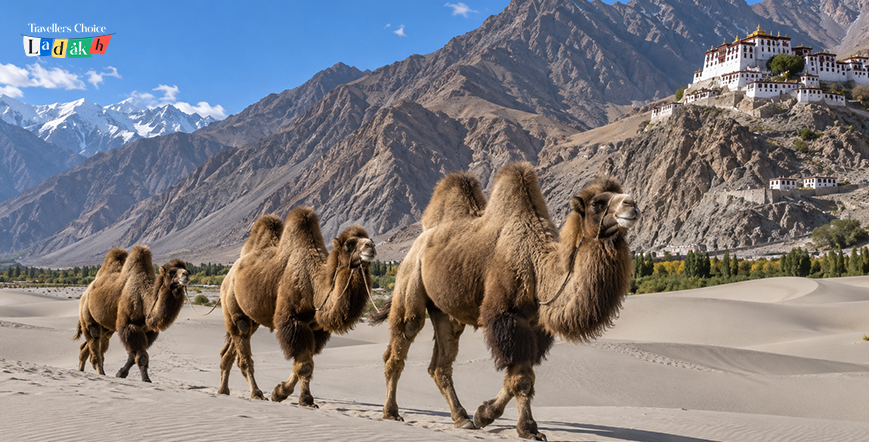
- Nubra Valley: A breathtaking cold desert with dunes, Bactrian camels with two humps, and ancient monasteries at Diskit and Hunder.
- Khardung La: One of the world’s highest motorable passes, where road-trippers learn to drive.
- Tso Moriri: This high-altitude lake is less crowded and a perfect place for travelers seeking solitude.
- Zanskar Valley and Magnetic Hill: The pristine Zanskar Valley and Magnetic Hill have much to offer explorers who have decided to venture off the beaten track.
Many are not just Ladakh tourist attractions to photograph; they are also part of fragile high-altitude ecosystems. This is why LTDS’s regulatory work is as important as its promotion.
World Tourism Day 2026 Final Verdict
Today, World Tourism Day is a reminder that traveling isn’t only an economic deal; it’s reigniting a culture, saving a livelihood, and taking care of the environment – all in a single package. Ladakh today is a real case study: an important region with many visitors. Hence, there is a need for systemization and institutionalization, and these are being done. So, take that context with you when you plan a trip. You can book hotels in Ladakh or hire local Ladakh guides and treat the land with the same care that its new institutions are now trying to formalize.
Frequently Asked Questions
This year’s tourism theme is Digital Agenda and Artificial Intelligence to Redesign Tourism. It highlights the technological solutions needed to make tourism more efficient, sustainable, and user-friendly. It will take place in El Salvador on September 26–27, 2026.
LTDS is an independent entity formed at the direction of Lieutenant Governor VK Saxena. It aims to create a platform for government agencies, local communities, and tourism industry associations to coordinate, regulate, and promote tourism in Ladakh.
Well-known destinations like Leh, Pangong Tso, Nubra Valley, Khardung La, Tso Moriri, and the Thiksey and Hemis Monasteries are among the top places to visit in Ladakh. There are also a few offbeat places, such as Zanskar Valley, for adventurous tourists with ample time.
The best time to visit is usually May through September, with peak season from June through August. The weather is good, and crowds are lighter in late May or late September; winter is also good for the more seasoned traveler.
World Tourism Day matters for Ladakh because it highlights the need to balance local income with nature protection. It reminds us that growing tourism shouldn’t come at the cost of damaging a fragile environment.