Dancing in the Rain-Shadow: Ladakh’s Vibrant Monsoon Festivals
If your idea of a monsoon getaway involves drinking hot chai while watching rain pour over muddy streets, Ladakh is about to ruin that cozy vibe in the best way possible.
While the rest of India is dealing with heavy downpours, umbrellas, and flooded roads, Ladakh is dry.
Thanks to the towering Himalayan range acting as a giant shield, the monsoon clouds rarely make it over the mountains. This leaves the region with bright blue skies, crisp mountain air, and a beautifully unique summer vibe. If you are debating the best time to visit Ladakh, the monsoon season (July to September) is actually the sweet spot. It is also the time when the entire valley bursts into a celebration of music, color, and ancient traditions.
The Rain-Shadow Escape
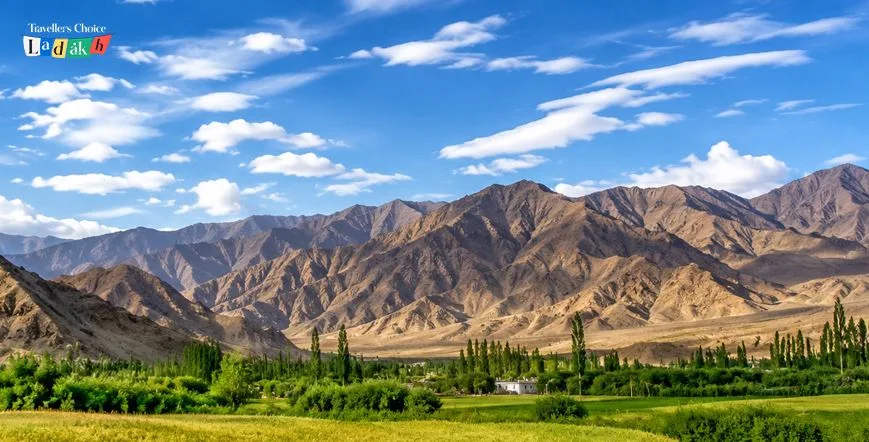
When we talk about monsoon in Ladakh, we aren’t talking about raincoats. We are talking about the ultimate dry escape. While other hill stations are closed due to landslides, Ladakh is wide open and incredibly welcoming.
The dry, sunny summer months are when the region’s rich Ladakh heritage takes center stage. Monasteries perched precariously on sheer cliffs become the focal points for massive, incredibly vibrant gatherings.
And the absolute crown jewel of these celebrations? The legendary Hemis festival .
Behind the Mask: The Sacred Hemis Festival
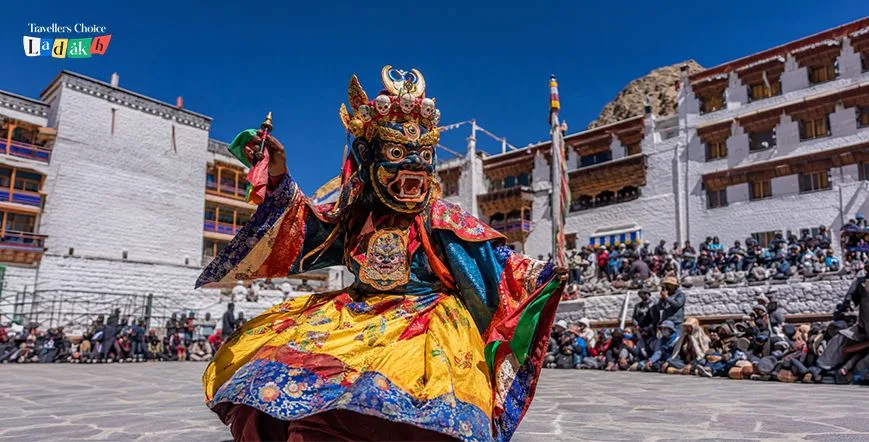
Imagine standing in a cobblestone courtyard surrounded by whitewashed walls, high in the mountains. The air smells of burning juniper and butter lamps. Suddenly, the deep, rumbling boom of giant Tibetan horns echoes through the valley.
Then come the dancers.
The Hemis festival is Ladakh’s most famous summer celebration, held at the historic Hemis Monastery. Buddhist monks dress in elaborate, heavy silk robes and wear massive, hand-painted wooden masks to perform the Cham (sacred mask dance). Each movement is highly stylized, depicting the triumph of good over evil. It’s loud, it’s intense, and it’s completely mesmerizing.
But the spiritual energy doesn’t stop there. It is a continuous calendar of Ladakh festivals throughout the season, with each monastery, such as Dakthok, Karsha, and Phyang, having its own distinct festival. It is a century-old living monument to Ladakh’s cultural traditions that have remained unchanged.
Living the Culture: Things to Do in the Dry Season
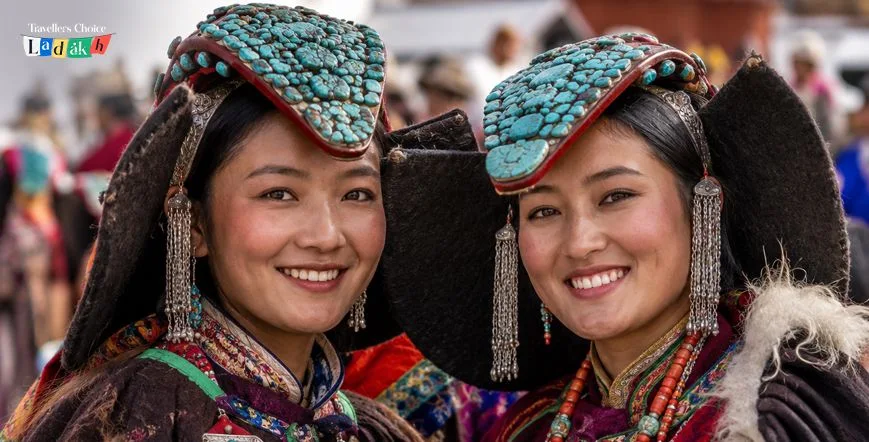
If you want to truly experience a Ladakh cultural festival, you can’t just be a passive spectator. You need to immerse yourself.
In addition to the monasteries’ main dances, there are local polo games, archery competitions, and village musical programs throughout Leh during the summer months. The people are very friendly and will offer travelers bowls of fresh skieu (local pasta stew) or cups of salty butter tea.
To make sure you don’t miss these hidden community events, you need local insights. Reading through our Puga Valley travel guide is a great way to see how we map out offbeat routes that blend raw nature with these deep cultural encounters.
When planning a trip around these events, it is important to keep in mind that they follow the Tibetan lunar calendar and vary from year to year. At TravellerChoiceLadakh (TCL), we specialize in creating customized itineraries so you can experience these festivities in the heart of the valley without the hassle. From our premium fleet of vehicles to complete tour packages, we handle all permits, timing, and local accommodations.
The Monsoon Travel Guide (No Umbrella Required)
Planning your escape during the monsoon months? Here is what you need to keep in mind:
- The Air Route: Flying into Leh is incredibly scenic during the monsoon, as you soar right over the storm clouds into a bright, sunny desert.
- The Road Route: The highways from Manali and Srinagar are fully open, but they cross high passes. A rugged, well-maintained vehicle is a non-negotiable.
- The Essentials: Leave the raincoat at home. Pack high-SPF sunscreen, polarized sunglasses, and a light jacket for the cool evenings.
If you’re ready to trade the muddy monsoon blues for a high-altitude cultural adventure, let’s make it happen. The drums are beating, the masks are ready, and Ladakh is waiting.
Frequently Asked Questions
Hardly ever. Ladakh falls in the rain shadow area of the Himalayas, where heavy Indian monsoon clouds are unable to cross the mountains. Unlike the rest of India, which receives abundant rainfall from July to September, the Ladakh region is mostly dry and warm, with abundant sunshine, making it ideal for sightseeing.
The Cham is a sacred masked dance performed by Buddhist monks. The dancers wear elaborate costumes and heavy masks representing various protective deities. The dance is a form of active meditation and symbolizes the destruction of evil forces.
Yes, absolutely! Visitors are highly welcome to attend the festivals. However, because these are sacred religious events, tourists must dress modestly, avoid flash photography of the main altars, and respect the monks’ space.
Because Ladakh festival dates are decided by the Tibetan lunar calendar, they shift every year. It is highly recommended to check with a local operator, such as TravellerChoiceLadakh (TCL), before booking your flights to ensure your trip aligns with the celebrations.