High Passes, Red Gorges, and Zero Signal: The Markha Valley Trek Guide
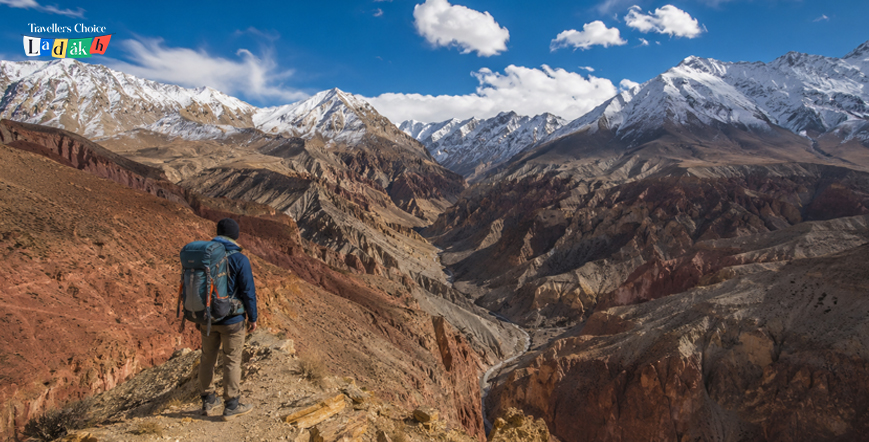
If you want to trek deep into the Himalayas without hauling technical climbing ropes or ice axes, look no further than Hemis National Park.
The Markha Valley Trek is widely considered the quintessential multi-day foot journey in the Trans-Himalayas.
It gives you dramatic red-rock canyons, ancient Buddhist monasteries, wild blue sheep sightings, and high alpine meadows. Here is what you need to know before tying your hiking boots.
1. The Numbers: Distance, Elevation, and Effort
When preparing for the Markha Valley trek, it is mandatory to respect the metrics. The mountain does not negotiate.
- Distance: The total distance of the Markha Valley trek is roughly 65 to 75 kilometers, usually split over six continuous days on foot.
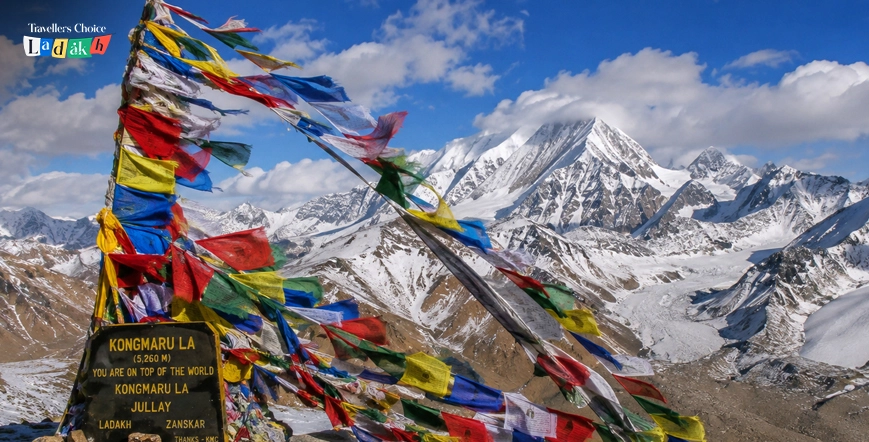
- Elevation: The maximum altitude of the Markha Valley trek is 5,260 meters (17,257 feet) at the summit of Kongmaru La pass.
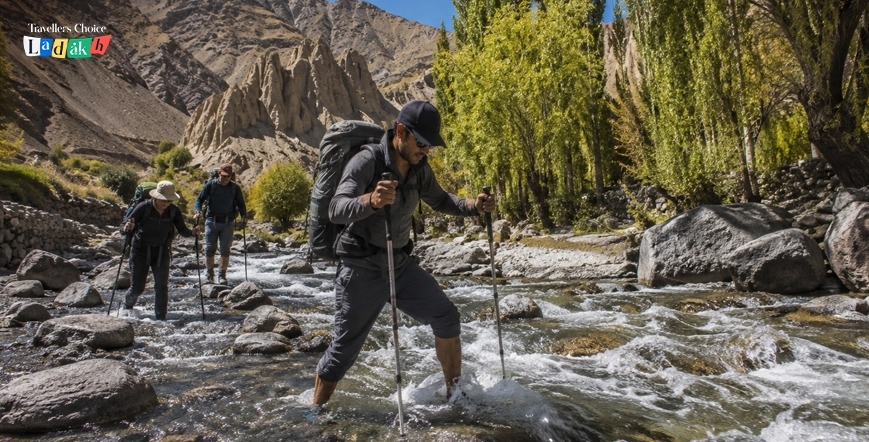
- Terrain: Expect rocky trail beds, loose scree, and cold river crossings that will test your balance.
Overall, local guides classify the Markha Valley trek as moderate to challenging. Mountain experience is not required, but lungs, stable ankles, and cardiovascular endurance are very important.
2. Walking the Trail: What the Route Looks Like
The Markha Valley trek connects remote mountain settlements that roads haven’t reached yet.
Starting from Skiu (after a short drive from Leh), the trail winds deep into the Markha Valley. You walk past ancient mud-brick fort ruins, mani stone walls, and traditional villages like Markha and Hankar.
The valley opens up above the tree line to the expansive alpine pasture of Nimaling. Yaks graze in thin air here, before you head up a steep, zigzag road to the Kongmaru La pass in the shadow of the huge 6400 meter Kang Yatse peak. By opting for the Markha Valley trek, hikers can experience these dramatic high-desert landscapes firsthand.
3. Homestays and Logistics: How to Do It Right
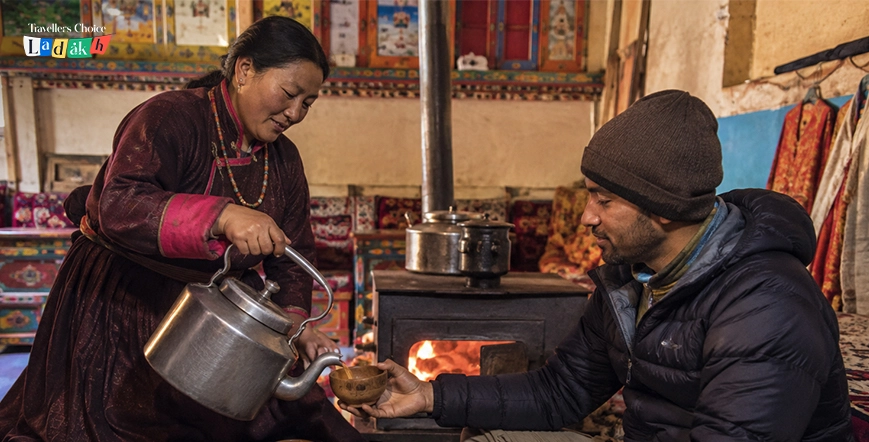
What makes this route stand out for trekking in Ladakh is its unique homestay culture.
Instead of hauling heavy tents and cooking gear across 17,000-foot passes, you can sleep in authentic Ladakhi homes along the trail. Local families provide warm rooms, home-cooked Tibetan bread, steaming lentil soup, and unlimited butter tea.
However, executing a Markha Valley trek successfully requires proper acclimatization and planning before you step onto the trail:
- Acclimatize First: Spend at least two full days in Leh (3,500m) before starting. To prepare your body properly, check our guide on acclimatization tips for Ladakh.
- Trailhead Transport: Reaching the starting point at Chilling or Skiu and getting picked up from Shang Sumdo at the finish requires reliable mountain vehicles. You can easily book a high-clearance 4×4 from our private cab rental service.
- Environmental Permits: Make sure your guide or operator secures the required wildlife protection permits through official portals, such as those of the UT Ladakh Administration.
The Verdict
The Markha Valley trek is a combination of high-altitude adventure, raw nature, and rich cultural experience. Get legs warmed up, pack your cold-weather gear, and put your phone in airplane mode.
The high trail is waiting.
Frequently Asked Questions
Most trekkers complete the route on foot in 6 days, though adding 2 mandatory acclimatization days in Leh brings the total trip duration to 8 days.
No. There are homestays in the villages along the trail in the Markha Valley (Skiu, Sara, Markha, Hankar), offering beds and home-cooked meals. At the Nimaling base camp, high-altitude camping tents are used.
The best season is from mid-June to late September, when high mountain passes like Kongmaru La are clear of deep snow and daily weather is stable.
No. Once you leave the main highway near Chilling, there is zero cellular connectivity or internet until you exit the trek at Shang Sumdo.