Puga Valley: Ladakh’s Hidden Geothermal Wonderland (And No, It’s Not Another Lake)
You’ve seen the photos of Ladakh. The impossibly blue lakes. The dramatic, barren mountains. The double-humped camels that look like they’re judging your life choices.
But there’s a side of Ladakh most tourists entirely miss. Literally. They drive right past it on their way to Tso Moriri.
Welcome to Puga Valley, a place where the earth doesn’t just sit there; it cooks.
What on Earth is Puga Valley?
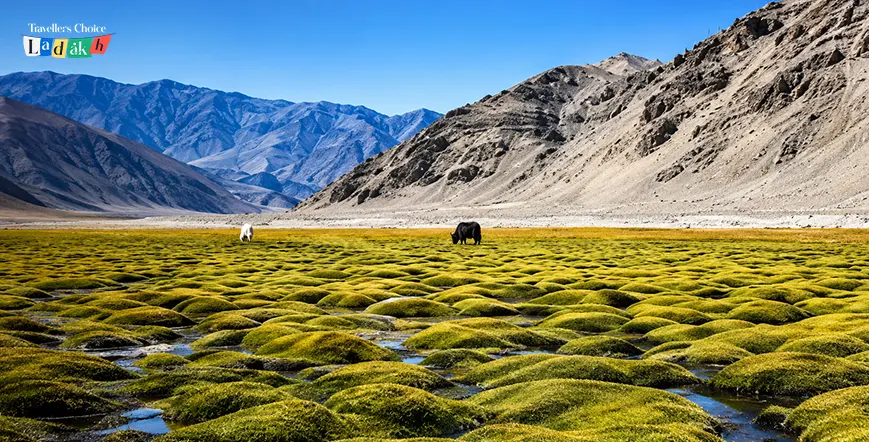
Imagine walking onto a sci-fi movie set. The ground is a patchwork of bright white salt crusts, deep sulfur yellows, and sudden bursts of green. Mud pools bubble like a witch’s cauldron. Massive plumes of steam shoot into the freezing mountain air.
This is Ladakh’s very own geothermal wonderland. While the rest of the region is a cold desert, Puga Valley sits on a massive reservoir of underground heat. It is home to some of the most fascinating hot springs in Ladakh, and the government is even trying to harness it for clean energy.
Think of it as Iceland, minus the expensive flights and the fermented shark.
Why You Should Care
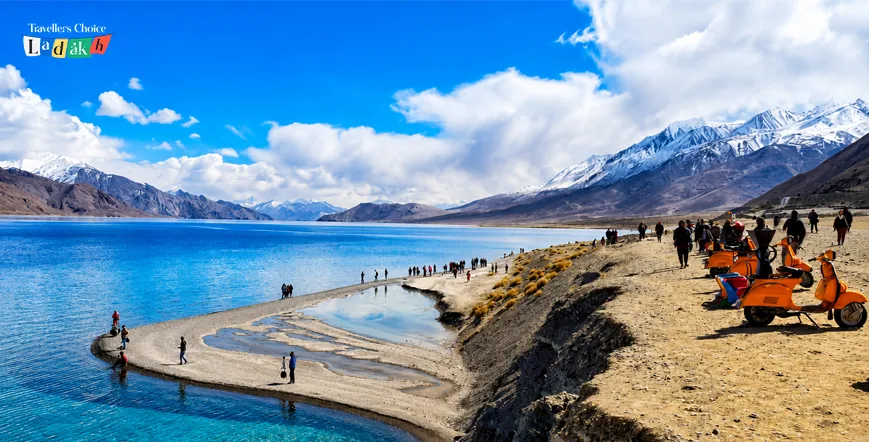
Let’s be honest: your Instagram feed doesn’t need another photo of Pangong Lake. Don’t get us wrong, Pangong is gorgeous. But it’s crowded.
Puga Valley is one of those genuine hidden places in Ladakh where you can actually hear yourself think. There are no souvenir shops. No cafes selling overpriced instant noodles. Just raw, steaming planetary power.
Plus, the Contrast Game here is unreal. You’re standing next to a boiling hot spring while looking at snow-capped peaks in the distance. It messes with your brain in the best way possible.
The Logistics (Because Reality Exists)
Getting to Puga Valley isn’t like hailing a cab in Delhi. It’s remote. It’s located in the Changthang region, about 180 km from Leh, sitting at a casual 14,500 feet above sea level.
Here is what you need to know:
- The Route: Usually combined with a trip to Tso Moriri or Tsokar Lake.
- The Vibe: Sulfur smells like rotten eggs. It’s science. Deal with it.
- The Rule: Look, but don’t jump in blindly. Some of these springs are hot enough to cook an egg. And your feet.
Because of its unique ecosystem, it’s easily one of the most underrated offbeat places in Ladakh. But because it’s so remote, you can’t just wing it. Public transport out here is basically a myth, and your city hatchback will give up the ghost before you even leave Leh. If you want to skip the mapping headaches, explore itineraries for places to visit in Leh Ladakh where we line up the transport, the permits, and the stays flawlessly.”
How to Not Get Stranded
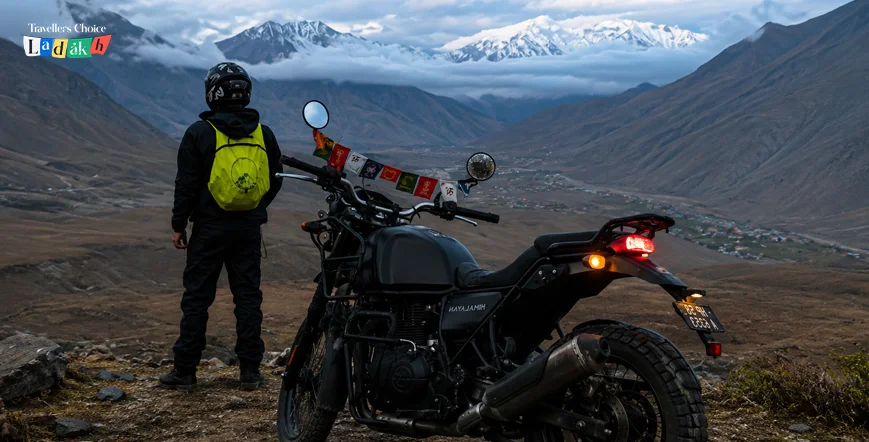
Ladakh is beautiful, but it can be brutal if you don’t respect the terrain. A solid Ladakh travel guide will always tell you two things: respect the altitude, and choose your ride wisely.
Navigating the high-altitude passes to find these places to visit in Leh, Ladakh requires a vehicle that won’t panic when the tarmac disappears, and a driver who knows the difference between a puddle and a localized swamp.
That’s where we come in. At TravellerChoiceLadakh (TCL), we’re a local, family-run team. We don’t just rent out sturdy 4x4s and organize seamless tours; we actually live here. We know exactly which dirt tracks lead to the best views in Puga, and how to get you there without your engine overheating.
The Verdict
If you’re compiling your ultimate list of best places to visit in Ladakh, do yourself a favor and add Puga Valley. It’s weird. It’s surreal. It smells a bit like breakfast gone wrong, but it is entirely unforgettable.
Pack your heavy jacket. Leave the crowds behind. Let’s go find some steam.
Frequently Asked Questions
Puga Valley is tucked away in the southeastern part of Ladakh within the rugged Changthang region. It’s about 180 km from Leh and sits right on the way if you’re planning a trip to the famous Tso Moriri Lake.
It’s famous for being India’s most powerful geothermal playground. While Ladakh is mostly a cold desert, Puga is packed with natural hot springs, bubbling mud pools, and dramatic sulfur steam vents shooting up from the ground.
The most convenient option is to rent a good private cab or a solid 4×4 from Leh. The trip along the Chumathang route will take about 5-6 hours. As there is no public transport here, most visitors include it in their list of favorite Ladakh offbeat places to visit in their own private cars.
Yes, absolutely. As it is within a protected border area, an Inner Line Permit (ILP) will be required for entry. However, don’t worry about the paperwork; local operators such as TravellerChoiceLadakh (TCL) do it for you while you book your ride.