
Travel Ladakh the Right Way: Smarter and More Sustainable
There was a time when Ladakh felt untouched by the modern world. Endless mountains, silent monasteries, frozen rivers, winding roads, and remote villages made the region feel almost unreal. But over the last few years, tourism in Ladakh has grown rapidly. Social media, biking culture, and adventure travel trends turned the region into one of the most popular destinations in the Himalayas. That growth created opportunities for local communities, but it also brought environmental pressure. Waste management problems, water shortages, traffic congestion, and overcrowding are becoming increasingly visible in several areas. This is exactly why conversations around sustainable tourism in Ladakh have become more important than ever.
Today, travelers are starting to realize that exploring beautiful destinations also comes with a responsibility. Visiting Ladakh is no longer only about sightseeing. It is about protecting one of India’s most fragile landscapes while still fully enjoying the experience. A modern Ladakh travel guide is not just about routes and attractions anymore. It is also about learning how to travel responsibly.
Why Sustainable Tourism Matters in Ladakh?
Ladakh is one of the most environmentally sensitive regions in the country. The cold desert climate receives very little rainfall, resources are limited, and waste takes years to decompose due to harsh weather conditions. Even small environmental damage can leave a lasting impact.
This is one reason sustainable tourism in India is becoming such an important discussion. Destinations like Ladakh cannot sustain unlimited tourism without careful management.
Plastic waste near lakes, overcrowded viewpoints, irresponsible camping, and excessive water use have already begun to affect the region. During peak travel months, some villages face water shortages because tourism demand rises beyond what local infrastructure can comfortably support.
Unlike large tourist cities, Ladakh still depends heavily on delicate natural systems. That means travelers themselves play a direct role in protecting the region through their choices and behavior.
Sustainable Travel Begins Before You Arrive

It all begins with responsible travel, before getting to Ladakh. Many are unaware of the environmental damage caused by their disposable packaging, fast fashion, and unnecessary purchases.
Adopting a few simple, sustainable travel tips can make a huge difference on a trip to Leh-Ladakh. Waste less and overuse less by using reusable bottles, avoiding single-use plastics, bringing durable clothing, and planning more leisurely travel.
| Regular Travel Habits | Sustainable Travel Habits |
| Disposable plastic bottles | Reusable water bottles |
| Fast-fashion overpacking | Practical reusable clothing |
| Rushed itineraries | Slow travel planning |
| Excess packaging | Minimal waste travel |
The idea behind eco-friendly tourism is not perfection. It is awareness and effort.
Ladakh Is More Than a Tourist Destination
One of the biggest mistakes travelers make is treating Ladakh like a checklist of Instagram locations. In reality, the region is a living ecosystem filled with remote communities, wildlife habitats, monasteries, and centuries-old traditions.
Places like Pangong Lake, Nubra Valley, Tso Moriri, and Khardung La remain among the most famous places to visit in Ladakh, but rising tourism has also put environmental pressure on these areas.
This is why slower and more thoughtful travel matters now.
A responsible Ladakh road trip is not about covering the most places in the shortest time. Spending more time in fewer locations often creates a better travel experience while also reducing environmental impact. It lowers fuel consumption, reduces waste generation, and more effectively supports local businesses.
That approach reflects the growing movement toward responsible travel in India.
Supporting Local Communities Matters
One of the most meaningful aspects of ecotourism in India is its direct support for local communities. Tourism becomes more sustainable when local residents benefit fairly from it.
Instead of only choosing large commercial hotels, many travelers now prefer homestays, village guesthouses, local cafes, and community-run experiences. These options often provide a much deeper understanding of Ladakhi culture while also helping local families and businesses.
Responsible tourism is not just about protecting landscapes. It is also about preserving traditions, livelihoods, and cultural identity.
That balance is a key part of long-term sustainable tourism in India.
Water Conservation Is Extremely Important in Ladakh
Despite its snowy mountains, Ladakh faces serious water scarcity. The region receives limited rainfall, and tourism significantly increases water consumption during peak seasons.
Simple actions like taking shorter showers, reducing unnecessary laundry, and avoiding water waste can make a noticeable difference. Many eco-conscious accommodations are also adopting solar energy, water recycling systems, and sustainable waste management practices to reduce environmental pressure.
Choosing these stays helps support the broader growth of ecotourism in India.
Road Trips Need More Responsibility Too
The classic Himalayan road trip remains one of the biggest reasons travelers visit Ladakh. However, rising traffic, pollution, and roadside littering are creating visible environmental strain across popular routes.
A more sustainable Ladakh road trip focuses on mindful travel instead of rushed travel.
| Less Responsible Travel | More Responsible Travel |
| Littering during stops | Carrying waste bags |
| Fuel-heavy rushed routes | Planned efficient travel |
| Ignoring local culture | Respectful interaction |
| Disposable packaging | Reusable containers |
These small sustainable travel tips help preserve the same landscapes travelers come to experience.
The Future of Eco Tourism in India
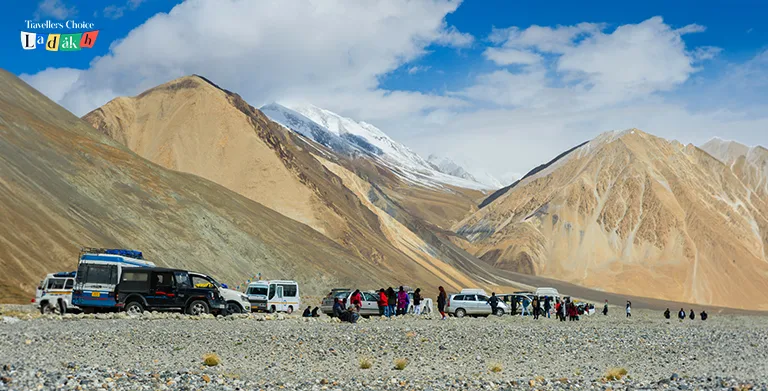
Across the country, travelers are becoming more aware of their environmental footprint. That awareness is helping eco tourism in India grow steadily.
More travelers now actively search for:
- eco-friendly stays,
- community-based tourism,
- sustainable adventure experiences,
- and low-impact travel options.
Ladakh naturally fits this movement because its beauty encourages slower, more meaningful travel experiences.
The future of sustainable tourism in Ladakh depends heavily on balancing tourism growth with environmental protection.
Responsible Travel Creates Better Experiences
Interestingly, sustainable travel often creates more memorable journeys. Travelers who slow down, connect with local communities, and explore thoughtfully usually experience Ladakh more deeply than those rushing through packed itineraries.
The region feels completely different when experienced slowly. The landscapes grow calmer, conversations grow more meaningful, and the journey itself grows more personal.
That is the real purpose behind responsible travel in India. Sustainable travel is not about limiting experiences. It is about making them better and more meaningful.
Final Thoughts
Ladakh remains one of the most breathtaking destinations in the world, but preserving its beauty requires more awareness from every traveler who visits.
The future of sustainable tourism in Ladakh depends on how people choose to travel today. Small decisions – reducing waste, conserving water, supporting local communities, and respecting the environment – collectively create a major long-term impact.
A responsible Leh-Ladakh trip should leave travelers with unforgettable memories, not environmental damage.
Because the best way to experience Ladakh is to ensure future generations can experience it too.
FAQs
What is sustainable tourism in India?
Sustainable tourism in India focuses on reducing environmental impact, supporting local communities, and encouraging responsible travel practices.
How can tourists travel responsibly in Ladakh?
Travelers can follow sustainable travel tips, such as avoiding single-use plastics, conserving water, supporting local businesses, and choosing eco-friendly accommodations.
Why is Ladakh important for eco tourism in India?
Ladakh’s fragile mountain ecosystem makes it one of the most important destinations for promoting eco-tourism in India and raising environmental awareness.
What are the best places to visit in Ladakh responsibly?
Popular places to visit in Ladakh include Pangong Lake, Nubra Valley, Tso Moriri, and Khardung La, but travelers should avoid littering and overcrowding these locations.
Are Ladakh road trips environmentally harmful?
A poorly managed Ladakh road trip can increase pollution and waste, but responsible travel practices can significantly reduce environmental impact.