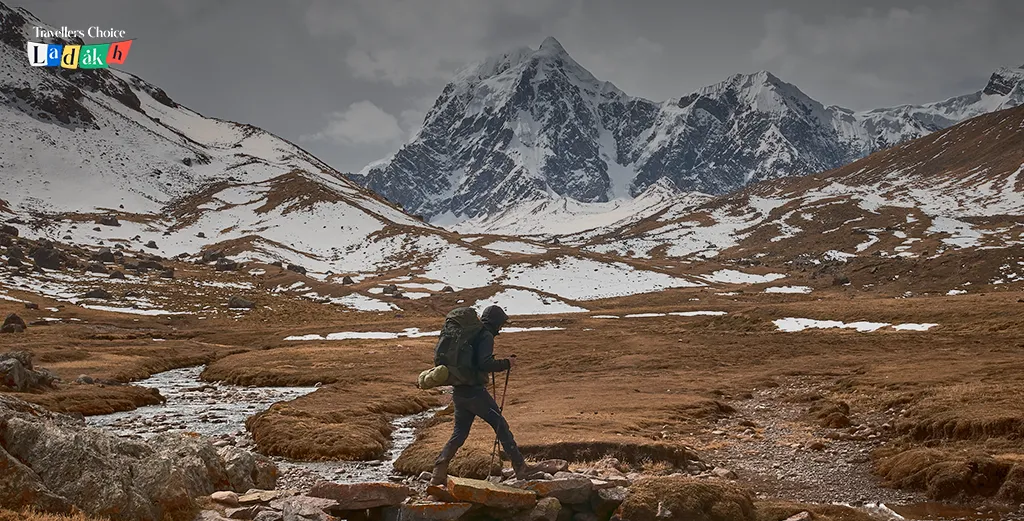
Exploring Tso Moriri: Ladakh’s High-altitude Gem
Some places are beautiful. Tso Moriri is something else entirely. It sits high in the Himalayas, quietly minding its own business, yet somehow rearranging the thoughts of everyone who visits. There are no crowds shouting over views, no shops competing for attention, and no noise except the wind and the occasional bird calling across fifteen thousand feet of silence.
If Pangong Tso is the charismatic extrovert of Ladakh, Tso Moriri is the introvert with depth. The kind of lake that doesn’t perform for the camera, yet ends up becoming your favorite memory.
This travelcore-style Tso Moriri Lake guide is designed for travelers who love places that feel raw, untouched, and quietly spectacular.
Why Tso Moriri Feels Different from Everything You’ve Seen?
Most lakes offer a delightful view. Tso Moriri offers an atmosphere. The water shifts from pale turquoise to deep sapphire depending on the mood of the light. Mountains stand around it like ancient guardians, their shadows creating slow-motion drama across the surface.
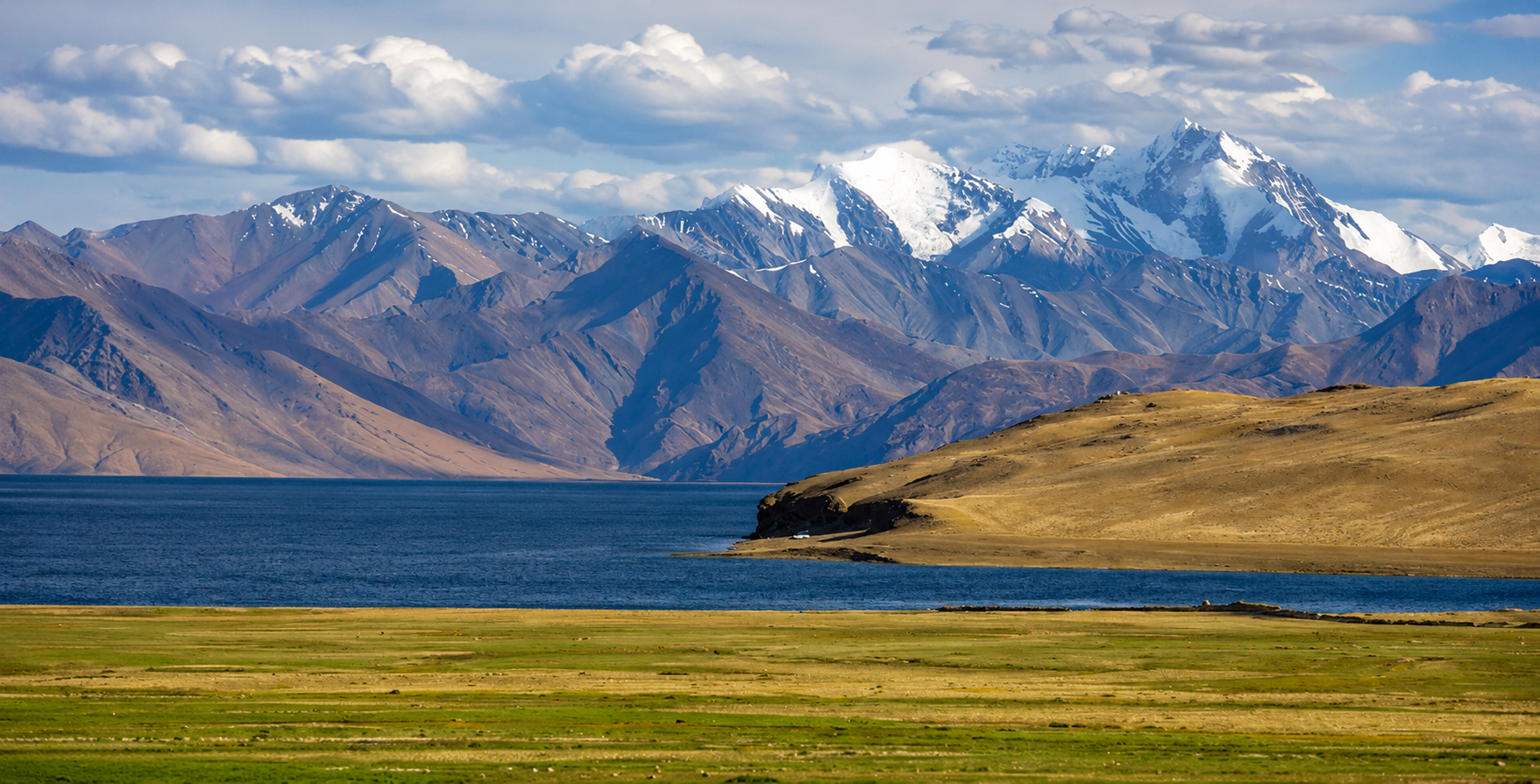
This is one of those high-altitude lakes India is known for, but few travelers make it here. That’s the secret. Tso Moriri has space. Space for the wind, for wildlife, and for your thoughts to settle in a way they don’t in everyday life.
You’ll see black-necked cranes gliding across the marshland, wild kiang sprinting across empty plains, and the kind of silence you only hear in places untouched by hurry.
Also Read: Best Restaurants and Local Favourites in Leh Ladakh
Getting There: A Long Drive, A Longer Impression
The road from Leh to Tso Moriri stretches over seven to eight hours, depending on how many times you stop to take in the scenery. And you will stop. The journey itself feels like a slow slideshow of changing worlds: steaming hot springs, bare mountains, open plains, and sudden splashes of green where you least expect it.
To make the trip smoother:
- Acclimatize well in Leh before heading up.
- Start early; the morning light across Changthang is worth it.
- Carry snacks and enough water. Shops are scarce.
- Download maps offline; the network disappears as quickly as the sun behind a peak.
The moment the lake finally appears, calm and impossibly blue, the long drive feels like part of the reward.
Tso Moriri Camping: The Night Sky You Won’t Forget
Tso Moriri camping is not the glamorous kind. It is the unforgettable kind. The temperatures drop, the wind settles into its nighttime voice, and the sky opens up like a window to every star the universe ever produced.
Camps near Korzok offer simple tents, warm meals, and a front-row seat to a lake that glows pale silver under the moon. There is no noise, no traffic, no glowing screens. Just the gentle hum of a place that prefers to be felt rather than photographed.
If you prefer thicker walls and warmer bedding, guesthouses in Korzok village offer a comfortable alternative while still keeping the view intact.
Also Read: Top Monasteries in Ladakh: A Journey Through Peace and History
Karzok Village: Where Life Moves at the Pace of the Mountains
Right along the shore is Karzok village, a small settlement where life has its own rhythm. Children run across dusty lanes, monks walk to prayer, and yaks graze without any urgency.
Here’s what makes Karzok village travel special:
- A centuries-old monastery with sweeping views of the lake
- Conversations with locals who have lived at this altitude their entire lives
- Sunrises that are slow, golden, and strangely grounding
- A chance to see Ladakh without filters, without rush, and without noise
Karzok is not a place you check off a list. It’s a place you absorb.
Photography Tips: Tso Moriri is a Camera’s Best Friend
Photographing Tso Moriri feels effortless. The light is crisp, the air is clear, and the landscape is naturally dramatic. But to capture its personality rather than just its postcard look:
- Go out early. The lake sits still just after sunrise.
- Move beyond the camps for wider, cleaner frames.
- Bring spare batteries. The cold drains them quickly.
- Experiment with angles. Sometimes the best photo is from a few inches above the ground.
Tso Moriri is not a loud destination. Its beauty is subtle, and your photos should reflect that.
Also Read: Ladakh Trekking Routes: Trails Worth Every Step
When to Visit?
Visit between June and September. The roads are accessible, the camps are open, and the lake wears its brightest blues. Winter freezes the lake completely, turning it into a white sheet under an icy sky. Beautiful, yes, but far from ideal for travel.
Things to Know Before You Go
A few pointers that make the journey smoother:
- Acclimatization is essential. The altitude is unforgiving.
- Carry warm clothing, even in peak summer. Nights drop fast.
- Avoid fast walking or running; let your body adjust slowly.
- Pack snacks, power banks, and cash; ATMs and networks are rare.
- Do not litter. This is one of the most pristine regions of Ladakh.
- Respect wildlife and nesting areas near the lake.
A little preparation goes a long way in making your trip comfortable and memorable.
Final Reflection
Here’s what no guidebook will tell you. Tso Moriri is not a place you visit; it is a place you experience. It slows you down, quiets you, and somehow expands your perspective without saying a single word.
You sit by the water, watch the wind ripple across the surface, listen to the occasional bird call, and suddenly realize you have not looked at your phone in hours. You do not need to. The moment is enough.
If you are planning a Ladakh lakes tour, make space for Tso Moriri. It deserves its own sunrise, its own night sky, and a traveler willing to simply be present.
This lake does not shout. It whispers. And sometimes, that is exactly what you need.
One thought on “Exploring Tso Moriri: Ladakh’s High-altitude Gem”