Saka Dawa: Ladakh’s Sacred Festival
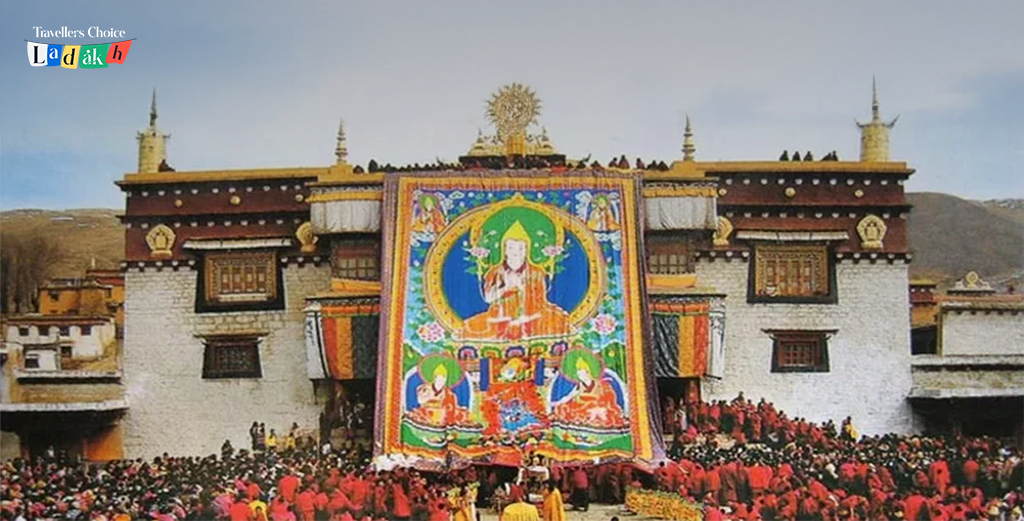
Another of the holiest Buddhist festivals in Ladakh is the Saka Dawa festival. It glorifies three historic events of the life of Lord Buddha, his birth, enlightenment, and parinirvana. The festival is celebrated on the fourth-month full moon day of the Tibetan lunar calendar, which turns Ladakh into a place of worship, meditation, and compassion.
The Saka Dawa festival is not really celebratory to the locals and pilgrims, but rather a way to live and be conscious of spirituality.
What Makes Saka Dawa Special?
The Saka Dawa is very spiritually significant to Tibetan Buddhism. The name is a combination of Saka, a star, which is related to the lunar cycle, and Dawa, which means month. The two of them signify a time that was deemed very favorable.
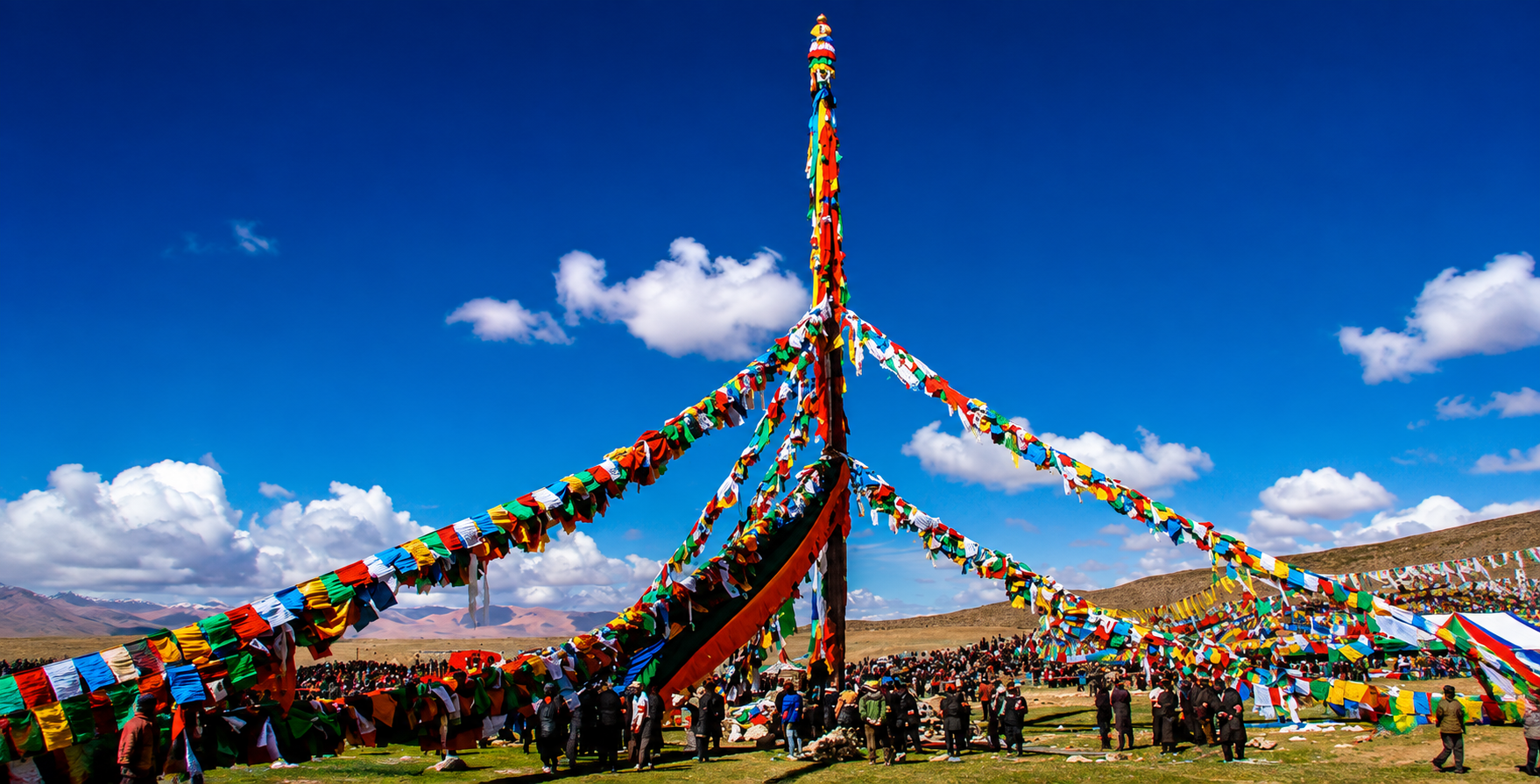
In this Buddhist festival, Saka Dawa, the Buddhists have the belief that good deeds bring forth multiplied spiritual merit. This philosophy helps individuals to be more aware of their behaviour, thoughts, as well as intentions during the day.
Spiritual Significance of the Festival
Saka Dawa has a spiritual meaning owing to the fact that three main events in the life of Buddha share the same full moon day. Due to this fact, the prayers, offerings, and kindness committed in the course of the Saka Dawa festival are expected to be particularly potent.
Considering that, this belief strengthens the principles of Tibetan Buddhism, namely the presence of compassion, non-violence, and wisdom.
Also Read: Losar Festival in Ladakh: A Winter of Wonder, Wisdom & New Beginnings
How does Ladakh observe the Festival?
Across Ladakh, monasteries and villages observe the Saka Dawa festival with calm devotion rather than grand celebrations. The focus remains on prayer and inner purification.
Common rituals during the festival include:
- Bhumskor processions with monks carrying sacred texts and prayer flags.
- Circumambulation of stupas and monasteries while chanting mantras.
- Lighting butter lamps symbolising enlightenment.
- Offering incense, food, and donations.
Monasteries like Hemis, Thiksey, Diskit, and Spituk witness large gatherings during this Buddhist festival.
Daily Practices During Saka Dawa
Saka Dawa is a festival whereby individuals make a deliberate effort to live a simpler and more moral life. A lot of them prefer to stop eating, drinking, and doing bad things because they think that moderation improves their spiritual wealth.
Charitable acts, benevolence towards animals, and silent prayer become the norms that are characteristic of the Buddhist traditions.
Community and Compassion
The Saka Dawa festival is also another event that enhances community ties in Ladakh. The families and neighbours unite to pray, eat, and assist the needy. Its focus on charity and compassion produces a very strong feeling of cohesiveness.
These rituals bring out the longstanding spiritual importance of the festival, transcendental religious lines.
Also Read: Sindhu Darshan Festival in Ladakh: Celebrating the River That United a Nation
Experiencing Saka Dawa as a Visitor
To the travellers, attending the Saka Dawa festival will provide them with an exclusive experience of the spirituality of Ladakh. Saka Dawa is not a vibrant cultural festival; it is silent, thought-provoking, and very meaningful.
The experience has been characterized by most of the visitors as serene and transformative, and it stands out as one of the most meaningful means of comprehending this religious festival of the Buddhists.
A Time for Reflection
In its simplest form, the Saka Dawa festival is just a reminder of impermanence and being aware of life. It promotes the alignment of the lives of people with those of Buddhism through prayer, restraint, and compassion.
Saka Dawa is simple and yet powerful, and it still portrays the spiritual soul of Ladakh and the eternal wisdom of Tibetan Buddhism.