Sani Naro Nasjal Festival: A Unique Cultural Celebration in Ladakh
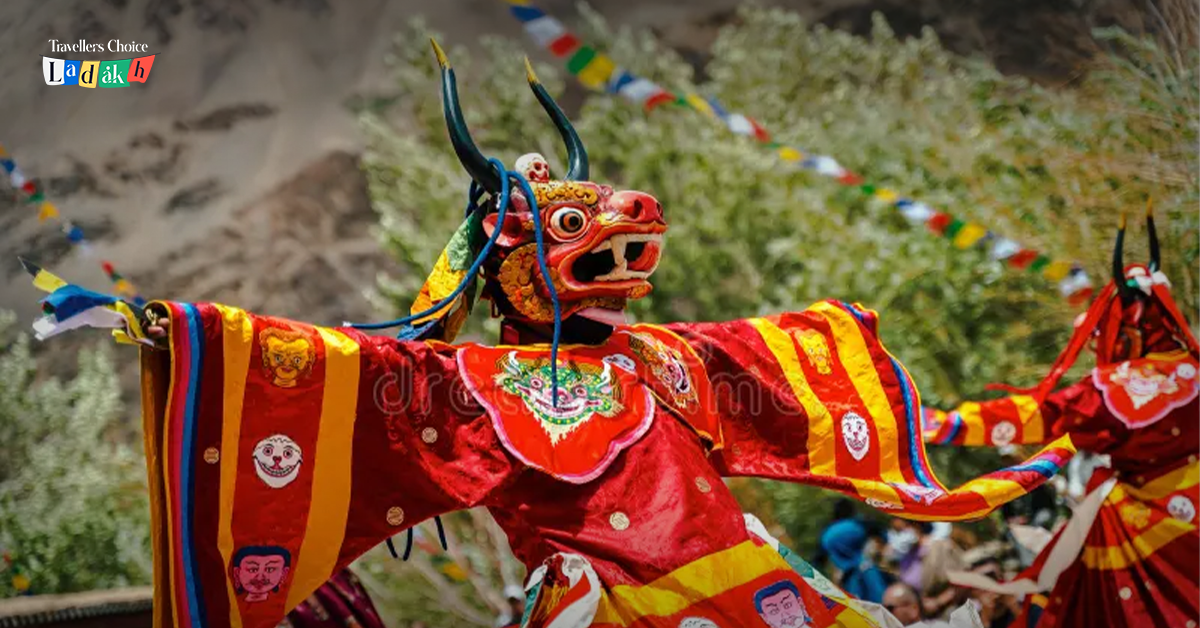
High in the rugged landscapes of Ladakh lies one of the most fascinating cultural celebrations in the Himalayan region, the Sani Naro Nasjal Festival. Celebrated at the historic Sani Monastery, this festival combines spirituality, ancient traditions, and community celebrations.
Unlike many Himalayan festivals that focus mainly on monastic rituals, this festival has a special connection with the local community. It blends religious ceremonies with village traditions, making it one of the most unique festivals in the Zanskar Valley.
If you are planning to explore Ladakh’s cultural heritage, attending this Ladakh Festival can be an unforgettable experience.
History of Sani Monastery
Sani Monastery dates back to the Kanishka empire of the 1st century CE. This renders it the antique monastery in the area.
Nowadays, the monastery is a part of the Drukpa Kagyu tradition, which is one of the sub-schools of Tibetan Buddhism.
The Kanishka Stupa is one of the most outstanding buildings here. This is one of the historical sites because, according to local beliefs, this old stupa was constructed under the reign of Emperor Kanishka.
Due to its great history and spiritual significance, Sani Naro Nasjal Festival draws both residents and visitors every year.
When is the Sani Naro Nasjal Festival Celebrated?
Sani Naro Nasjal Festival is held annually on the 15th- 20th day of the sixth month of the Tibetan year.
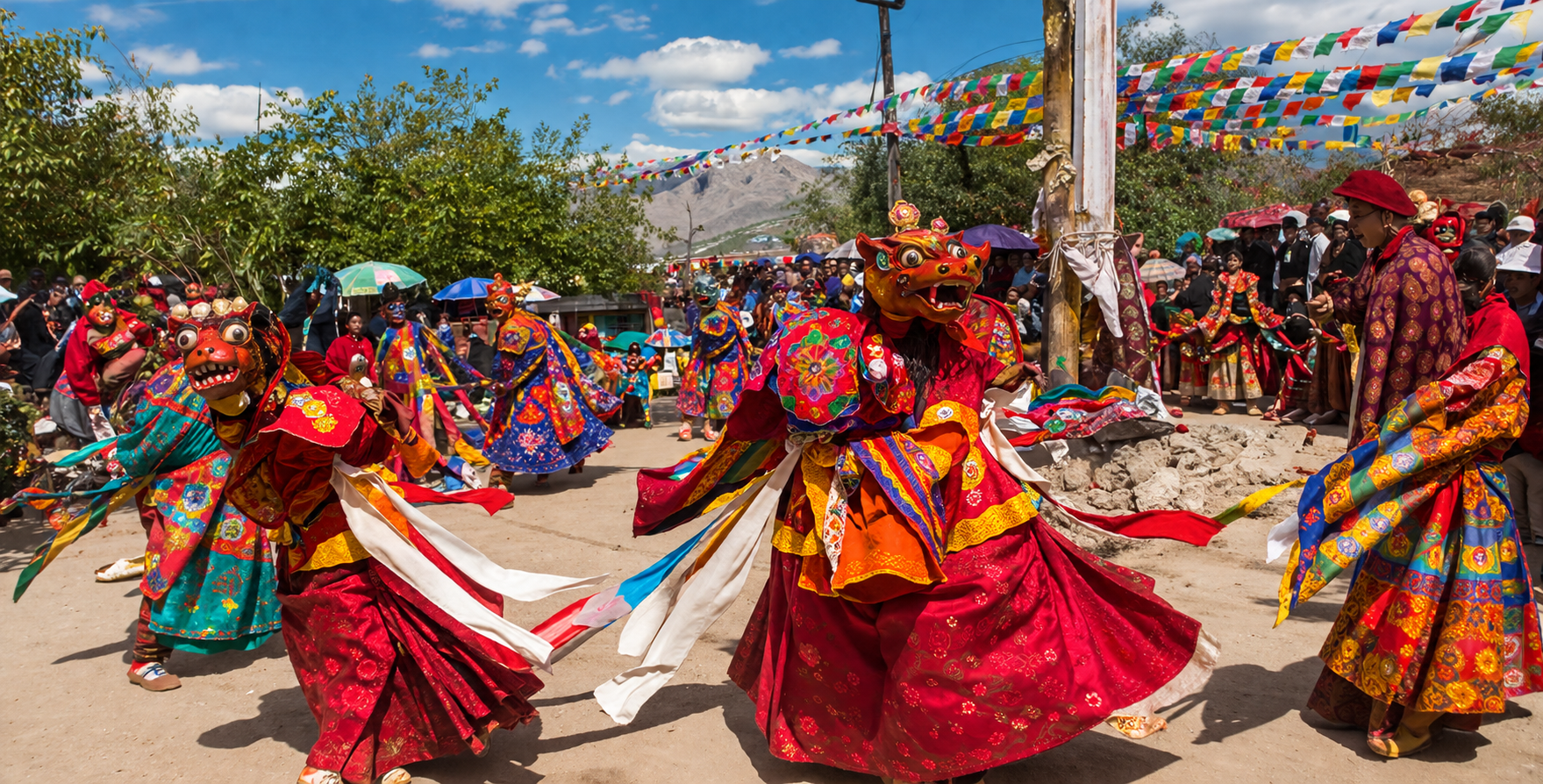
The quiet village surrounding Sani Monastery turns into a vibrant cultural environment of music, rituals, and old-fashioned performances during these days.
The monks of Bardan Monastery go to Sani to do the sacred rituals and dances.
Also Read: Leh Dosmochey Festival: When, Where & What to Expect
Spiritual Significance of the Festival
Sani Naro Nasjal Festival is extremely spiritual to the local communities. Among the most important events of the celebration, the opening of the statue of the known Buddhist yogi Naropa also takes place.
Naropa is a saintly spiritual leader of the Tibetan Buddhist religion and is reputed to have taught meditation and enlightenment.
During the festival:
- The sacred statue of Naropa is revealed to the public.
- Pilgrims gather to receive blessings.
- Special prayers and rituals are performed.
For many devotees, witnessing the unveiling of the statue during this Naro Nasjal Festival is considered highly auspicious.
Unique Traditions of the Sani Naro Nasjal Festival
What makes this festival of Ladakh truly special is the involvement of the local community.
While most monastic festivals focus only on monks and religious rituals, this festival includes several village traditions.
One of the most interesting traditions includes:
Dance performances by newlywed brides of the village.
This is a rare custom and is not commonly seen in other monastic festivals across Ladakh.
The dance symbolizes:
- Blessings for newly married couples
- Happiness and prosperity
- Community unity
At the end of the festival, villagers congratulate newly married couples and offer khataks, which are traditional ceremonial scarves used to express good wishes and respect.
Cultural Highlights of the Festival
Visitors attending the Sani Naro Nasjal Festival can experience several cultural elements that make the celebration vibrant and meaningful.
Key highlights include:
- Monastic mask dances performed by monks
- Traditional village dances
- Religious chanting and prayers
- Community celebrations and gatherings
- Blessings from the statue of Naropa
These traditions allow visitors to witness the spiritual and cultural identity of the region.
The Rare Guru Naropa Flower
Another fascinating aspect of the Sani Naro Nasjal Festival is the blooming of the Guru Naropa Flower.
This rare flower is believed to bloom only once every 12 years in the region around this Sani Monastery festival.
Many locals believe the flower symbolizes:
- Spiritual awakening
- Blessings from Naropa
- Natural harmony of the region
If your visit coincides with the blooming cycle, it adds another extraordinary layer to the Sani Naro Nasjal Festival experience.
What Visitors Can Experience?
Travelers visiting the Sani Naro Nasjal Festival will find much more than just religious rituals.
The festival offers a glimpse into the authentic culture of Ladakh.
Visitors can enjoy:
- Traditional Ladakhi food
- Local music and cultural performances
- Interaction with monks and villagers
- Spiritual ceremonies and prayers
- Photography opportunities of ancient monasteries
The relaxed village setting also makes it a great opportunity to understand local traditions.
Also Read: Spituk Gustor Festival: Sacred Masked Dance Rituals
Travel Tips for Attending the Festival
If you are planning to attend the Sani Naro Nasjal Festival, a little preparation can help you enjoy the experience fully.
Useful travel tips:
- Plan Your Travel Early
The Sani Naro Nasjal Festival attracts many travelers. Booking accommodation in advance is recommended.
- Respect Local Traditions
Visitors should dress modestly and behave respectfully inside monastery areas.
- Carry Essentials
Since the festival takes place in a remote Himalayan region, it is helpful to carry:
- Water
- Snacks
- Sunscreen
- Warm clothing
- Reach Zanskar in Advance
Road travel to the Zanskar Valley can take time due to mountain conditions. Arriving a day earlier helps avoid travel delays.
Why is the Sani Naro Nasjal Festival Special?
Among many festivals of Ladakh, the Sani Naro Nasjal Festival stands out for several reasons.
Key reasons include:
- It takes place at the oldest monastery in Ladakh
- The statue of Naropa is revealed to the public
- Newlywed brides perform traditional dances
- The festival connects both monastic and village traditions
- Visitors may witness the rare Guru Naropa Flower
These unique elements make the festival culturally rich and spiritually meaningful.
Final Thoughts
Sani Naro Nasjal festival is not merely a religious festival, but it is a living testimony to the Ladakh culture. The festival is a reflection of the strong linkage between spirituality and ordinary living in the area, in terms of sacred rituals and historical monuments, as much as it is the case with the cheerful traditions of people in the community.
To those looking to experience the Himalayas authentically, this Sani Monastery festival is a unique experience that allows demonstrating centuries-old traditions in the stunning surroundings of the Zanskar Valley.
Both culture, spirituality, and Himalayan history lovers will find their trip to Ladakh the most memorable as the festival is bound to offer them a trip to the core of this land.
FAQs
1. What is the Sani Naro Nasjal Festival?
This festival is a religious and cultural celebration held at Sani Monastery in Zanskar Valley, Ladakh.
2. When is this Naro Nasjal Festival celebrated?
The festival takes place between the 15th and 20th day of the sixth Tibetan month, usually during the summer season.
3. Why is Sani Monastery important?
Sani Monastery is believed to be the oldest monastery in Ladakh, dating back to the time of Emperor Kanishka in the 1st century CE.
4. What makes the festival unique?
The festival is unique because newlywed brides perform traditional dances, which is rare in monastic festivals across the region.
5. Can tourists attend the festival?
Yes, tourists are welcome to attend this festival of Ladakh and experience the spiritual ceremonies and local traditions.